
Whistler, Canada: The Complete Village Guide
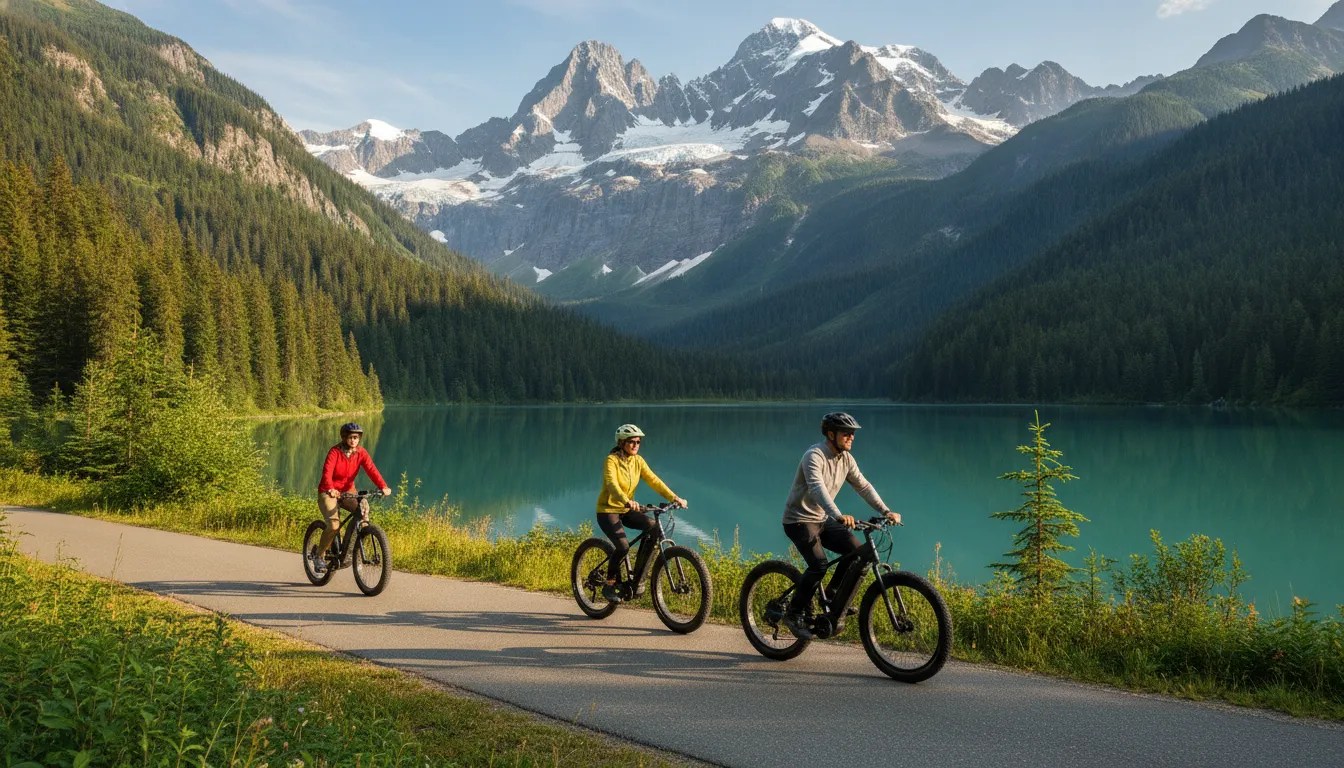
Few mountain destinations make it this easy to move from an alpine viewpoint to a lakeside path, a lively village, and quiet forest in the same day. The best way to experience that range is to leave the car behind and follow the Valley Trail, where scenery unfolds at a comfortable pace.
Whistler is a year-round mountain destination in British Columbia, known for outdoor adventure, a welcoming pedestrian village. And more than 50 km of paved Valley Trail connecting parks, lakes, neighborhoods, and local amenities. A guided Fat Tire eBike Adventure Tour makes it possible to cover more ground with electric assistance, whether you are traveling with family, friends, or mixed riding abilities.
Book a guided Fat Tire eBike Adventure Tour to see the valley with local guidance and less effort. First, it helps to understand what gives this mountain community its distinctive character.
What Makes Whistler Special
Whistler brings together dramatic mountain scenery, a welcoming village, and an unusual range of ways to enjoy the outdoors. It sits in the southern Pacific Ranges of the Coast Mountains, about 125 km (78 mi) north of Vancouver and 36 km (22 mi) south of Pemberton. That location gives the valley a distinct character: it feels remote and wild, yet remains accessible for a day trip, a weekend, or a longer stay. Learn more about Whistler’s geography.
The landscape is the first reason people remember Whistler. Glacier-fed alpine lakes reflect the surrounding peaks, while old-growth cedar forest adds depth, shade, and a strong sense of place along the valley. These are not views reserved for expert climbers or serious mountain bikers. The valley includes scenic routes and relaxed outdoor experiences that make it possible for families, first-time visitors, and experienced adventurers to share the same destination.
A mountain setting with global appeal
Whistler’s popularity is substantial without making its natural setting feel ordinary. The destination welcomes approximately 3 million visitors each year, and tourism generates about CA$1.44 billion annually. Those numbers reflect the breadth of the experience, from snow sports and alpine recreation to restaurants, events, sightseeing, and quieter time beside the lakes. Visitors can build a trip around high-energy activities or take a slower approach, with plenty of room for both.
The resort’s Olympic legacy adds another layer to the story. Whistler hosted events during the 2010 Winter Olympics, placing the valley on a global stage and leaving behind venues. Public spaces, and a lasting connection to elite winter sport. Today, that heritage sits alongside a year-round community and a tourism culture designed to welcome people who may be visiting for very different reasons.
Nature that is easy to experience
What makes Whistler especially memorable is the balance between scale and access. Towering mountains establish the backdrop, but the experience unfolds at ground level: forest trails, open parks, quiet shoreline views, and the changing light across the valley. A guided electric-assisted bike tour offers one comfortable way to connect these details, covering more ground than a walk while keeping the focus on scenery and shared discovery.
That combination is why Whistler works for so many kinds of travelers. You can come for the Olympic history, the mountain sports, the lakes, or the forest, then find an experience that matches your pace. The valley makes it easy to feel adventurous without needing to prove anything first.
Getting to Whistler from Vancouver and Beyond
For most visitors, getting to Whistler starts in Vancouver. The resort is approximately 125 km (78 mi) north of the city. With the journey following the Sea to Sky Highway through one of British Columbia’s most scenic coastal landscapes. Allow roughly two hours for the drive in good conditions, although travel time can change with traffic, weather, construction, and holiday travel.
The route is part of the experience rather than simply a connection between two places. As you leave Vancouver, the road traces the coast and opens into views of forested slopes, rocky peaks, and water. Build in extra time if you want to stop for photographs or short walks along the way. Checking road conditions before departure is also wise, particularly during winter storms or busy summer weekends.
Driving the Sea to Sky Highway
A car gives you flexibility once you arrive, especially if your plans include destinations beyond the village. However, you do not necessarily need to drive your car everywhere in Whistler. The community is designed around compact resort areas, and its connected network of paths makes it practical to move between the village. Parks, lakes, and nearby neighborhoods without returning to a vehicle for every outing.
Visitors arriving from elsewhere in British Columbia or beyond can also travel through Vancouver before continuing north. The route is straightforward, but reservations and advance planning are helpful during peak summer dates, winter holidays, and long weekends. If you are comparing routes, our guide to getting to Whistler offers additional location and arrival details.
Arriving by float plane
Whistler has a Seaplane Harbour, its only airport, providing an alternative arrival by float plane. This can be a memorable way to reach the resort and take in the mountain setting from the air. Availability, schedules, baggage limits, and weather conditions vary, so confirm the current details with the operator before you travel.
Whistler has a permanent population of approximately 13,982 people, based on 2021 figures, along with seasonal residents. That combination helps explain the destination’s welcoming but lively rhythm: it is a real mountain community as well as an internationally known place to visit. Once you arrive, settle into the village, check the day’s conditions, and choose transportation that leaves you more time to enjoy the scenery.
Navigating the Whistler Village Layout
Whistler Village is designed to be explored on foot. Its pedestrian-friendly streets bring shops, restaurants, and open plazas together in a compact resort core. So it is easy to browse, stop for a meal, or find your way between activities without worrying about traffic. The village also reflects Whistler’s Olympic legacy. The 2010 Winter Games helped shape the area, and Olympic Celebration Plaza remains one of its recognizable gathering spaces.
The setting gives the village much of its character. Whistler sits at the base of both Whistler and Blackcomb mountains, with the dramatic peaks rising above the buildings and walkways. That makes the central area convenient, but it can also create a misleading impression of how close everything in the wider valley really is. The village core is compact. The parks, lakes, neighborhoods, and golf courses beyond it are spread across a much larger landscape.
Start in the village, then see more of the valley
Walking is ideal for the village itself, especially when your plans center on shopping, dining, or the plazas. It is less practical when you want to connect several scenic areas in one outing. A car adds parking and navigation to the experience, while a conventional bicycle can make longer distances feel like the main event. An electric-assisted bike offers a more comfortable middle ground, helping you cover more ground while keeping your attention on the mountains, forest, and water.
The Valley Trail is the natural link between the village and the surrounding landscape. This paved, multi-use network extends more than 40 km through Whistler’s parks, lakes, and neighborhoods. It gives visitors a way to move beyond the resort center without needing to take on an intimidating route or plan every turn themselves. Pedal assist is particularly useful for groups with different fitness levels, since everyone can enjoy the ride together with less effort.
Where guided rides begin
For a guided outing, the meeting point is the Whistler Racquet Club. From there, a local guide can help you transition from the familiar village core onto the Valley Trail and toward the quieter parts of the valley. You get the convenience of a clear starting point. Along with local knowledge that makes it easier to notice the places you might miss while simply following a map.
That combination is what makes a guided eBike ride a strong fit for Whistler. Explore the village at your own pace. Then use electric assistance to reach more of the valley comfortably and enjoy the destination as a connected landscape rather than a collection of separate stops.
Top Year-Round Experiences in Whistler
Whistler changes character with the seasons, which is why it rewards more than one kind of itinerary. In summer, warm weather opens the valley to hiking, mountain biking, golf, lake days, and long rides through the forest. Winter shifts the focus to skiing and snowboarding at Whistler Blackcomb, with the mountains covered in snow and the village full of apres-ski energy. Spring and fall are quieter, giving visitors more room to enjoy the scenery at a gentler pace.
Summer on the lakes and trails
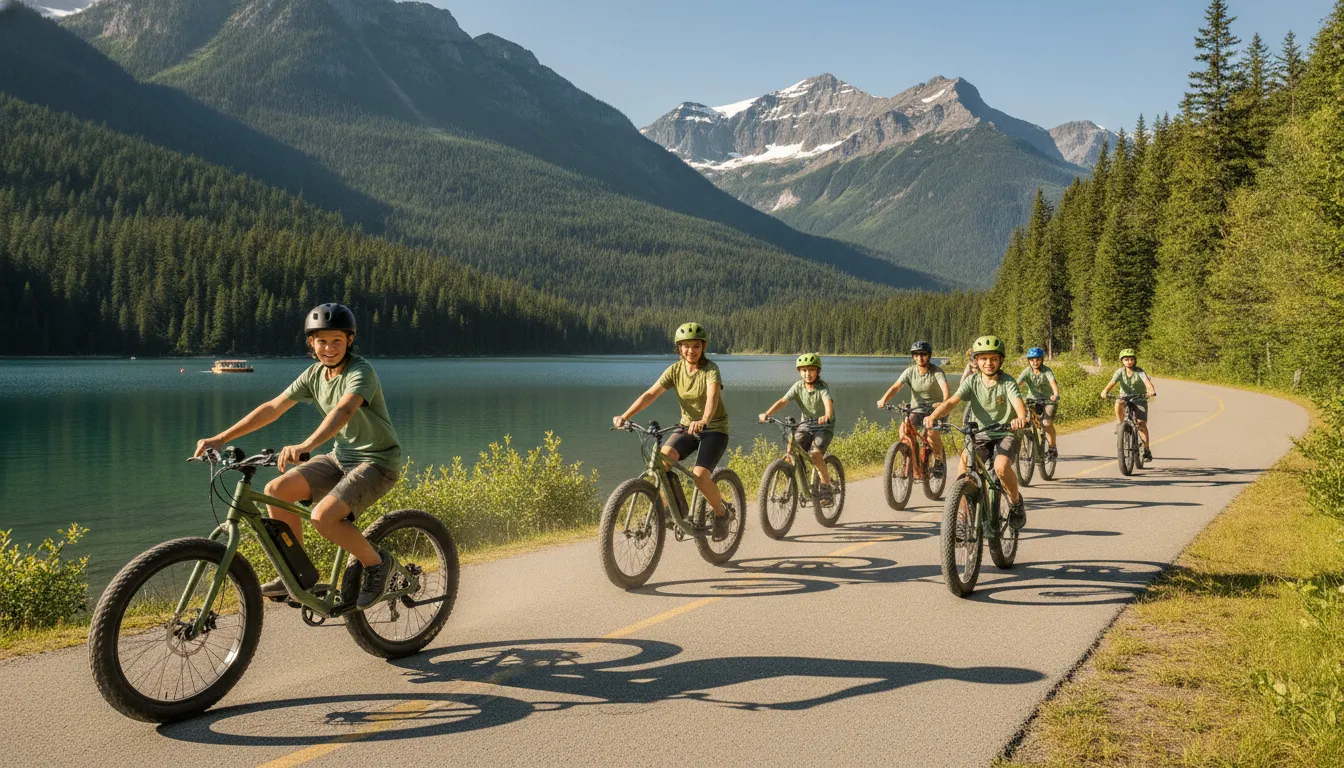
June through August is Whistler’s busiest period, drawing about 55% of the destination’s roughly 3 million annual visitors. The appeal is easy to understand. Alpine lakes, mountain views, forest paths, and outdoor activities are all close to the village. You can spend the morning hiking, play a round of golf in the afternoon, or cool off beside a lake before dinner. Mountain biking is another major summer draw, with routes and lift-accessed terrain for experienced riders. While the Valley Trail offers a more relaxed way to move between neighborhoods, parks, and waterfront viewpoints.
Winter adventures at Whistler Blackcomb
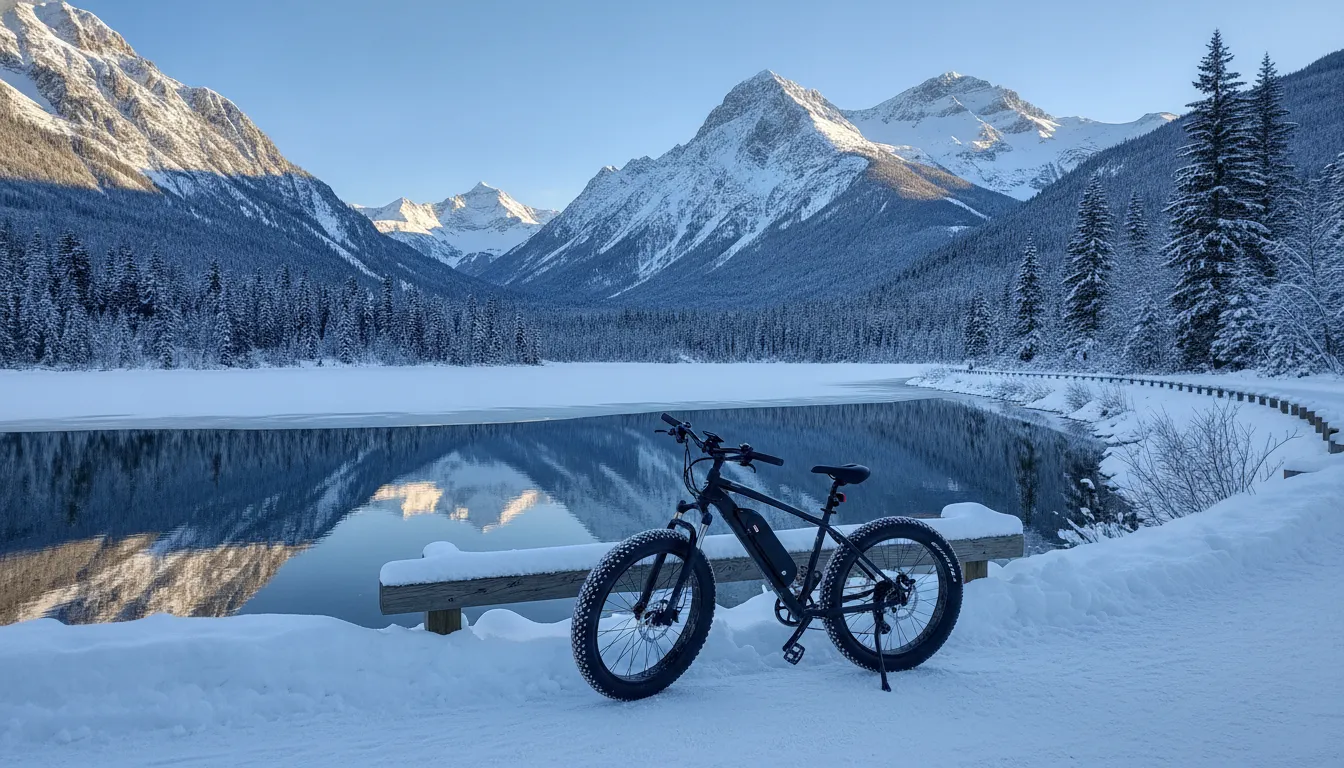
From December through February, approximately 45% of annual visitors arrive for skiing and snowboarding at Whistler Blackcomb. The resort’s winter experience goes beyond time on the slopes. Visitors can explore the pedestrian village, enjoy mountain dining, watch the weather roll across the peaks, or build a slower day around cafes and local shops. Conditions determine which valley routes are practical, but portions of the Valley Trail are maintained through winter for walking, biking, and general use.
Why shoulder season is worth considering
May and September through October can be especially rewarding for travelers who prefer fewer crowds and lower prices. Fall brings vivid color to the valley, and the quieter atmosphere makes it easier to linger at viewpoints, lakes, and village attractions. It is also a comfortable time to combine several activities without rushing from one reservation to the next. For a helpful overview of places to add to your itinerary, see these best attractions in Whistler.
Across the year, the paved Valley Trail connects parks, lakes, and neighborhoods across more than 40 kilometers. An electric-assisted bike makes it possible to cover more ground than walking while keeping the focus on views and shared experiences. For visitors trying to fit the highlights into one day, exploring the Valley Trail by eBike is a practical, scenic place to start.
Exploring Whistler by eBike Along the Valley Trail
The Valley Trail gives visitors an easy, scenic way to experience Whistler beyond the village centre. This paved, multi-use network stretches for more than 40 kilometres, linking parks, lakes, neighbourhoods, and other local amenities. Instead of choosing one destination and turning back. Riders can move through several distinct parts of the valley while enjoying mountain views, forest air, and the changing character of the landscape.
It is also a natural fit for electric-assisted cycling. Pedal assist does most of the work, helping riders travel farther without turning the day into a demanding endurance challenge. Families, couples, and mixed-ability groups can enjoy the route together, even when their cycling experience or fitness levels differ. Riders aged 12 through 92 have completed the guided tour, showing how approachable the experience can be for a wide range of guests.
A scenic route through lakes, forests, and wildlife habitat
A guided Fat Tire eBike Adventure Tour covers approximately 23 to 27 kilometres in about two and a half hours. Along the way, the route visits three glacier-fed alpine lakes: Green Lake, Lost Lake, and Alta Lake. Each offers its own setting, from open shoreline views to quiet forested stretches. The ride creates time to pause, take photographs, and appreciate Whistler’s surroundings rather than simply passing through them.
The Valley Trail also reveals natural details that are easy to miss from a vehicle. The tour passes stands of cedars that are about 500 years old, bird sanctuaries, and an active bear den viewing area. These stops add context to the scenery and help riders understand the valley as a living ecosystem, not just a backdrop for recreation. Wildlife sightings are never guaranteed, but travelling quietly and with a knowledgeable guide can make the landscape feel more connected and memorable.
See more without feeling rushed
One of the advantages of exploring Whistler by eBike is the balance between distance and comfort. Walking can limit how much of the valley you see in a single outing, while a standard bicycle may require more effort on longer stretches. Electric assistance makes it possible to cover meaningful ground while keeping attention on the lakes, trees, and mountain views. The wide tires add a comfortable, confidence-building ride on the paved trail.
The experience is designed for sightseeing as much as movement. A guide can help guests settle into the bikes, explain the route, and point out features along the way. Whether you are visiting with active friends, travelling as a family, or simply want a relaxed introduction to the valley. The Valley Trail offers an inviting way to discover more of Whistler in one memorable ride.
Why an eBike Tour Is the Smart Way to See Whistler
Whistler rewards visitors who can slow down for a mountain view, then keep moving when the next lake or forest path calls. The challenge is choosing a way to see enough of the valley without spending the day in a car or arriving at every stop tired. A guided Fat Tire eBike tour offers a comfortable middle ground: fresh air, broad coverage, and a local guide who helps you notice what you might otherwise pass.
Each option has its place, but the differences become clear when you compare the experience side by side.
| Option. | Effort. | Coverage. | Scenery access. | Guided insight. |
|---|---|---|---|---|
| Driving or renting a car. | Low physically, but attention stays on traffic and parking. | Good for distant stops. | Limited while driving; parking determines where you pause. | Usually self-guided. |
| Walking. | Easy around the village, more demanding over long distances. | Limited across the spread-out valley. | Excellent at a walking pace, within a smaller area. | Self-guided unless you arrange a guide. |
| Regular bicycle. | Moderate, especially over hills and longer distances. | Better than walking, depending on fitness. | Strong access to trails and quiet paths. | Usually self-guided. |
| Guided Fat Tire eBike tour. | Accessible pedal assist makes hills easier. | About 23 to 27 km in roughly 2.5 hours. | Valley Trail parks, lakes, forests, and wildlife areas. | Local expertise, planned stops, and wildlife spotting. |
Pedal assist changes the balance between distance and effort. On a guided tour, riders can spend less energy grinding up hills and more attention taking in the scenery. The experience is designed for mixed-ability groups, too: guests from ages 12 to 92 have completed the route. That makes it easier for families and friends with different cycling backgrounds to explore together rather than divide into separate activities.
A car can move you between major destinations, but it also puts the road between you and the landscape. Walking offers a close look at the village, while a regular bike asks more of riders over a longer route. An electric-assisted tour combines movement, comfort, and context, with planned stops that turn a ride through Whistler into a richer introduction to the valley.
Book a Whistler eBike Adventure Tour today to cover more of the valley with a local guide, from lakeside viewpoints to old-growth forest, all at a comfortable pace on the Valley Trail.
Frequently Asked Questions
What is Whistler best known for?
Whistler is best known for its dramatic mountain setting, outdoor recreation, and year-round resort experiences. Visitors can enjoy alpine scenery, lakes, village life, and accessible trails in every season. The destination also has a strong summer identity, with activities that extend well beyond winter sports.
What are the best year-round activities in Whistler?
Popular options include skiing and snow activities in winter, sightseeing and lift-accessed alpine experiences in warmer months, and walking, cycling, and wildlife viewing along the Valley Trail. The paved network connects parks, lakes, neighborhoods, and amenities across more than 50 kilometers, according to the Resort Municipality of Whistler.
How do you get to Whistler from Vancouver?
Most visitors drive or take ground transportation along the Sea to Sky Highway. The trip from Vancouver generally takes about two hours, depending on traffic and road conditions. Whistler also has Seaplane Harbour for visitors arriving by seaplane, although it is not a conventional commercial airport.
What is the village layout like in Whistler?
Whistler Village is pedestrian-friendly, with shops, restaurants, lodging, public spaces, and mountain access concentrated within an easy-to-navigate resort center. From the village, visitors can continue toward nearby neighborhoods, parks, and lakes by walking, cycling, or using the Valley Trail. A guided ride can make it easier to understand how these areas connect.
Why is exploring Whistler by eBike recommended?
Electric-assisted bikes help riders cover more ground than walking while reducing the effort required for longer distances. That makes them a practical choice for families and mixed-ability groups who want to explore together. The Valley Trail offers a scenic, accessible route for seeing more of Whistler at a comfortable pace.
Ready to Explore Whistler by eBike?
A guided ride is a comfortable way to experience the Valley Trail while taking in Whistler’s alpine scenery. When you are ready to make it part of your visit, book a guided Fat Tire eBike Adventure Tour along Whistler’s Valley Trail. It is a simple, enjoyable way to see more of the valley.