
Where Is Whistler Canada? Location and Getting There
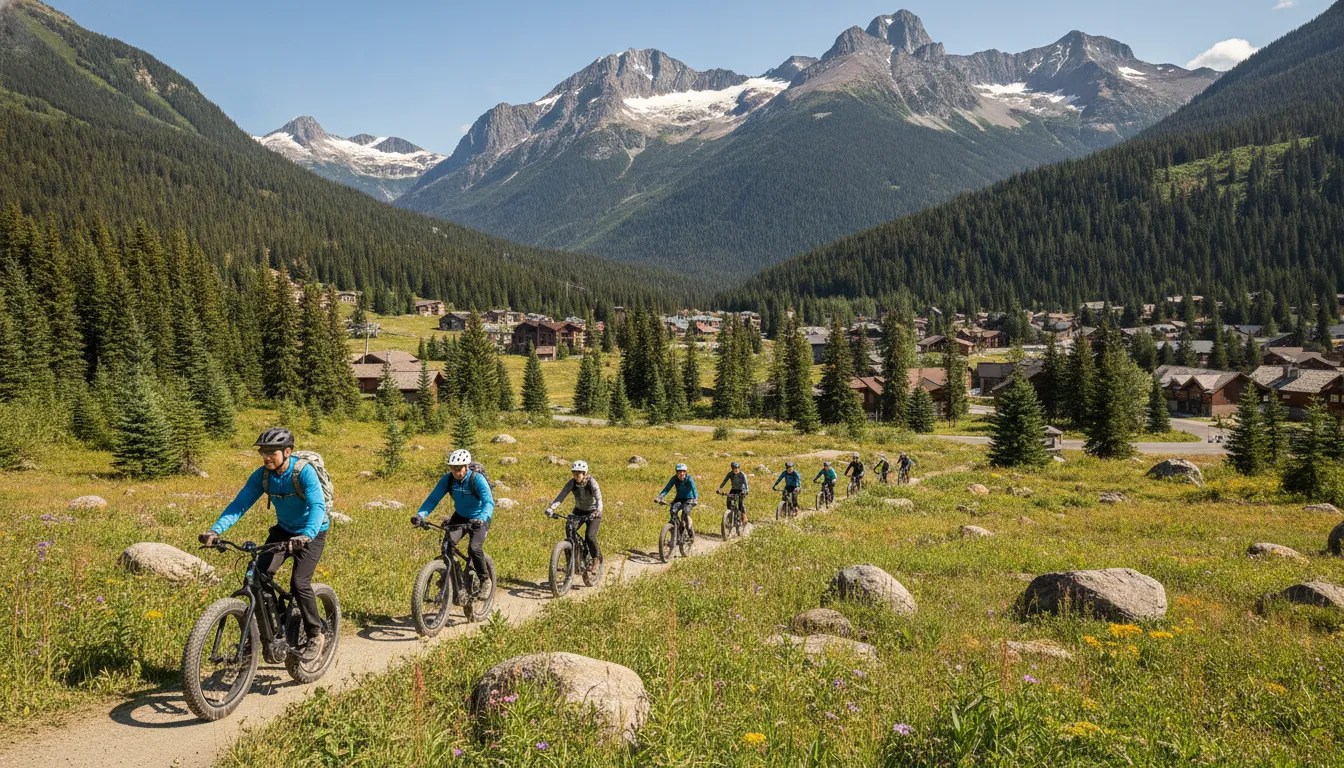
Planning a trip to British Columbia often starts with one practical question: how far is the mountain town from Vancouver. And what is the easiest way to reach it? The answer shapes your first day, especially if you want to trade travel time for scenery and a relaxed introduction to the valley.
Where is Whistler Canada? Whistler is a mountain resort town in the Coast Mountains of British Columbia, about 125 kilometres (78 miles) north of Vancouver. Most visitors travel the Sea-to-Sky Highway by car, shuttle, or bus, a journey of roughly two hours before stops and traffic. Once you arrive, a guided Fat Tire eBike tour is an ideal first activity because it helps you get oriented while exploring the valley at an accessible pace.
Understanding Whistler’s position on the map makes the route, travel options, and best way to begin your visit much easier to plan.
Book a guided Fat Tire eBike Adventure Tour as your first Whistler activity once you arrive.
Where Exactly Is Whistler, Canada?
If you are wondering where is Whistler Canada, the answer is in the Coast Mountains of southwestern British Columbia, roughly 125 km (78 mi) north of Vancouver. This places the resort within the southern Pacific Ranges, a dramatic mountain region reached by traveling north along the Sea-to-Sky corridor. The distance is close to the figure cited by NASA when describing Whistler as a Vancouver Olympic resort town: 125 km (75 mi) north of the city. NASA’s location overview provides useful geographic context.
Whistler is not a neighborhood or suburb of Vancouver. It is a distinct resort municipality in the upper part of the Sea-to-Sky region, surrounded by steep forested slopes, alpine peaks, lakes, and river valleys. The community sits approximately 36 km (22 mi) south of Pemberton, another important settlement in the valley. Vancouver is the closest major city for most international and domestic visitors, while Pemberton is the nearer community when approaching from the north.
Whistler’s position in the Coast Mountains
The town and resort are set between Whistler Mountain and Blackcomb Mountain, which shape both the landscape and the area’s identity. At the village area, the elevation is approximately 670 m (2,200 ft). That is high enough to create a noticeably mountain-based environment without placing the community at the elevation of the alpine terrain above it. From the valley, visitors can move quickly between a walkable village, wooded trails, lakes, and higher mountain viewpoints.
This geography explains why Whistler works as a year-round destination rather than only a winter ski stop. Snow sports draw visitors during the colder months, while hiking, sightseeing, mountain biking. And other outdoor activities make the same Coast Mountain setting appealing in spring, summer, and fall. The resort’s location also gives travelers a useful sense of scale: Vancouver offers the nearest large-city connection. But Whistler feels like a genuine mountain base once the road leaves the city behind.
What the location means for your trip
For trip planning, think of Whistler as a compact valley resort about two hours north of Vancouver under typical driving conditions, rather than as a remote wilderness outpost. Travel time can vary with weather, traffic, road conditions, and shuttle stops, so the 125 km distance should not be treated as an exact arrival time. Once you arrive, the resort’s trails and village connections make it easier to explore without driving everywhere. Understanding its position between Vancouver and Pemberton helps you orient yourself before choosing transportation, accommodations, and activities.
How Far Is Whistler from Vancouver?
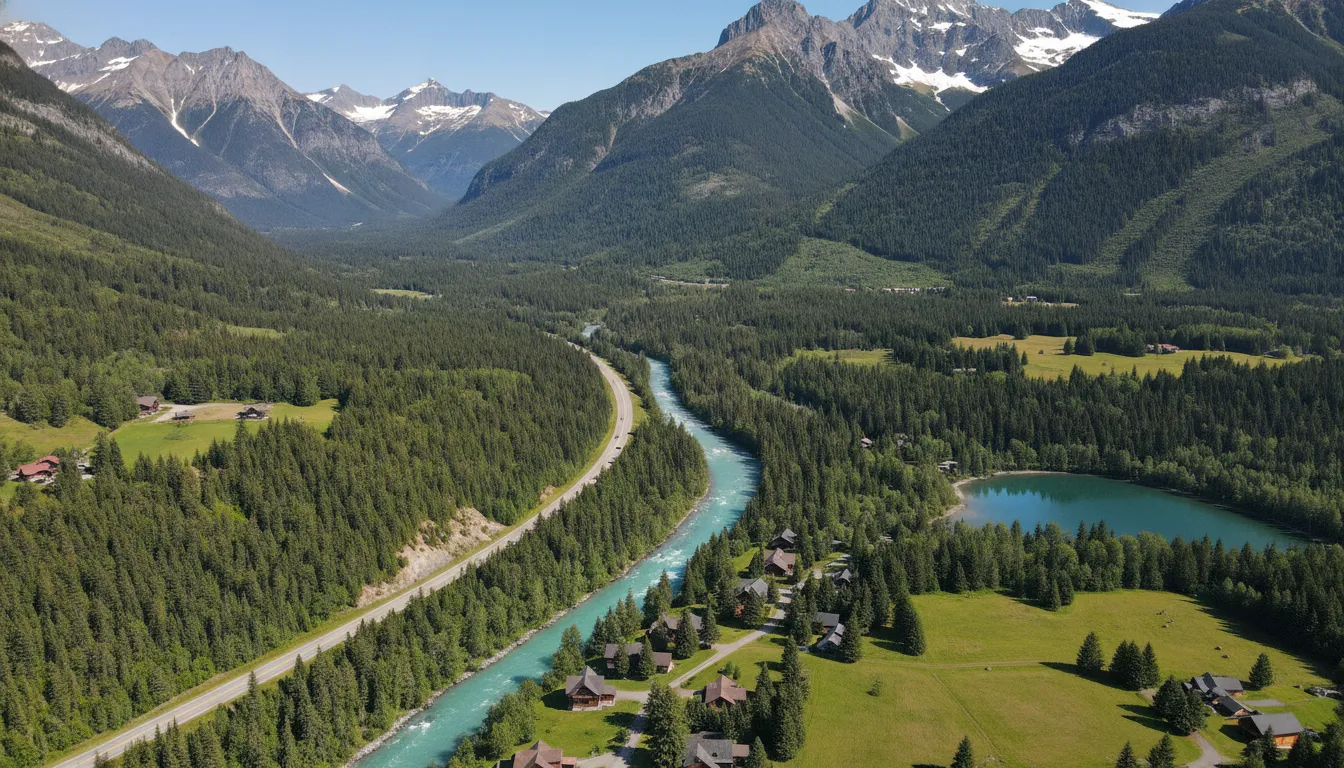
Whistler is approximately 125 kilometres, or about 78 miles, north of Vancouver. The drive follows Highway 99, better known as the Sea-to-Sky Highway, through the Coast Mountains and along one of British Columbia’s most scenic travel corridors. Under favourable conditions, the trip takes about two hours by car. Which makes Whistler an easy addition to a Vancouver holiday or a practical destination for a longer mountain stay. NASA describes Whistler as a resort town 125 kilometres north of Vancouver.
From downtown Vancouver
When you leave downtown Vancouver, allow roughly two hours of driving time before reaching Whistler Village. That estimate assumes a direct trip with normal road conditions and no extended stops. The route climbs out of the city toward Squamish, then continues north through the Sea-to-Sky corridor before arriving in Whistler. The distance is relatively modest, but the highway is not an urban express route, so the journey can take longer than a simple distance calculation suggests.
Weather, road work, weekend traffic, and holiday travel can all affect the schedule. A scenic viewpoint, coffee stop, or meal in Squamish also adds time, although many travellers consider the views part of the experience rather than a delay. If you have a timed activity, dinner reservation, or check-in window, build in extra flexibility instead of planning to arrive at the exact two-hour mark.
From Vancouver International Airport
Travelling from Vancouver International Airport, commonly called YVR, generally takes longer than travelling from downtown. You first need to leave the airport area and connect with the route north through Vancouver and toward the Sea-to-Sky Highway. A direct drive can often be planned at around two and a half hours, but the actual duration depends heavily on traffic, weather, and your starting terminal. Shuttle services and buses may take longer because of scheduled pick-ups, passenger loading, and stops along the way.
For international arrivals, allow additional time for baggage collection and customs before beginning the road journey. Booking transportation with your arrival time in mind helps avoid a rushed connection, especially during busy winter weekends or summer holidays. Once you reach Whistler, the compact village core and connected Valley Trail make it easy to continue exploring without relying on your car for every activity.
In short, the answer to how far Whistler is from Vancouver is about 125 kilometres. But the better planning question is how much time you want for the Sea-to-Sky journey. Treat two hours as a baseline from downtown, and allow more from YVR or when travelling during peak periods.
The Best Ways to Get to Whistler from Vancouver
Once you know where Whistler, Canada is located, the journey is straightforward: the resort sits about 120 to 125 kilometres north of Vancouver on BC-99, the Sea-to-Sky Highway. The trip usually takes around two hours by car. Traffic, weather, road conditions, and stops can all add time. Your best option depends on whether you want flexibility, a relaxed ride, or door-to-door convenience.
| Mode | Ideal for | Approximate time | Notes |
|---|---|---|---|
| Drive yourself | Independent travellers and road-trip planners | About 2 hours | Follow BC-99 north and plan for changing mountain conditions, scenic stops, and parking at your accommodation. |
| Scheduled shuttle bus | Visitors who prefer not to drive | Usually longer than 2 hours | Services may run from Vancouver International Airport or downtown Vancouver. Allow extra time for scheduled stops and passenger pickup. |
| Private transfer | Families, groups, and travellers with fixed arrival plans | About 2 hours, depending on pickup | Offers door-to-door service and a more personalised schedule. Confirm luggage space, meeting location, and winter requirements in advance. |
| Charter or flight | Travellers prioritising speed or a special experience | Varies by service | Availability, weather, baggage limits, and transfer arrangements can vary. Check the full itinerary before choosing this option. |
Driving the Sea-to-Sky Highway
Driving gives you the most control over departure time and allows you to pause for viewpoints, beaches, and communities along the route. It is also convenient if you plan to explore beyond Whistler Village or carry substantial outdoor gear. The highway is scenic, but it is a mountain route rather than a city expressway. Check the forecast and current road conditions before leaving, especially during winter, and use appropriate tires and equipment when required.
Build a little flexibility into your schedule instead of treating the two-hour estimate as a deadline. A brief stop can make the journey part of the holiday, while a cautious pace is more important than arriving early.
Taking a Shuttle or Private Transfer
A scheduled shuttle is often the simplest choice for visitors arriving at Vancouver International Airport or staying in downtown Vancouver. You can settle in and enjoy the scenery without navigating, but the total journey may be longer because of pickup points and other passengers. Compare departure times with your flight or accommodation check-in, and confirm where the service drops you in Whistler.
Private transfers cost more, but they can be worthwhile for families, groups, or anyone travelling with bikes, skis, or bulky luggage. They generally provide a direct pickup and a schedule built around your plans. Ask about vehicle size, child-seat availability, luggage policies, and cancellation terms before booking.
Which Option Is Best?
Choose a self-drive for maximum freedom, a shuttle for practical value, or a private transfer for comfort and simplicity. Charter and flight options may suit a special itinerary, but they require closer checks on availability and onward transport. Whichever route you take, arriving with a little time to orient yourself makes it easier to enjoy Whistler’s trails, village, and mountain views once you reach the valley.
Why Is Whistler So Famous? And When Should You Go?
Whistler became internationally famous for its exceptional mountain setting, but its appeal is bigger than a single ski season. The resort is home to Whistler and Blackcomb mountains, widely recognized as North America’s largest ski resort, and it has developed into a year-round destination for outdoor travel. Its reputation grew further when it co-hosted alpine events for the 2010 Winter Olympics and Paralympics. Putting the valley and its mountain culture in front of a global audience.
More than a winter ski destination
Snow sports remain central to the Whistler experience. In winter, visitors come for alpine skiing, snowboarding, snowshoeing, and the atmosphere of a true mountain village. Yet the same terrain that attracts skiers becomes a summer playground. Whistler is also known for world-class mountain biking, with lift-accessed trails, technical routes, and valley paths that let riders enjoy the scenery at a more relaxed pace.
This seasonal range is a major reason the resort continues to attract visitors from around the world. More than two million people visit Whistler annually, primarily for skiing and snowboarding in winter and mountain biking during the summer. The permanent population was approximately 13,982 in 2021, supported by seasonal residents and a hospitality community built around tourism. Together, those figures give the village a lively energy while it remains surrounded by the Coast Mountains.
When is the best time to visit Whistler?
The best month depends on the experience you want. Plan a winter trip from December through March if skiing and snowboarding are your priorities. This is when the resort is at its most snow-focused, with mountain operations and village life shaped around winter sports. Pack for changing conditions and allow extra time for travel if a major snowfall affects the Sea-to-Sky route.
Choose June through September for mountain biking, hiking, sightseeing, and comfortable days exploring the green valley. Summer brings a different view of Whistler, from forested trails and alpine scenery to long daylight hours for outdoor activities. It is also a good time to discover the area at a gentler pace, including on a guided Fat Tire eBike Adventure Tour.
There is no single perfect season. Winter delivers the classic ski-resort experience, while summer reveals why Whistler is considered a year-round destination. Whichever months you choose, the combination of Olympic history, two iconic mountains, and accessible outdoor adventure explains why this British Columbia resort remains so well known.
How to Explore Whistler Once You Arrive: Guided eBike Tours
Once you have arrived in Whistler, a guided eBike tour is an easy way to get oriented before filling the rest of your itinerary. Rather than seeing the resort only from its village streets or car windows, you can follow local routes. Take in the mountain scenery, and learn how the valley fits together from an experienced guide. It is a particularly good first activity for visitors who want a scenic introduction without committing to a strenuous hike or technical ride.
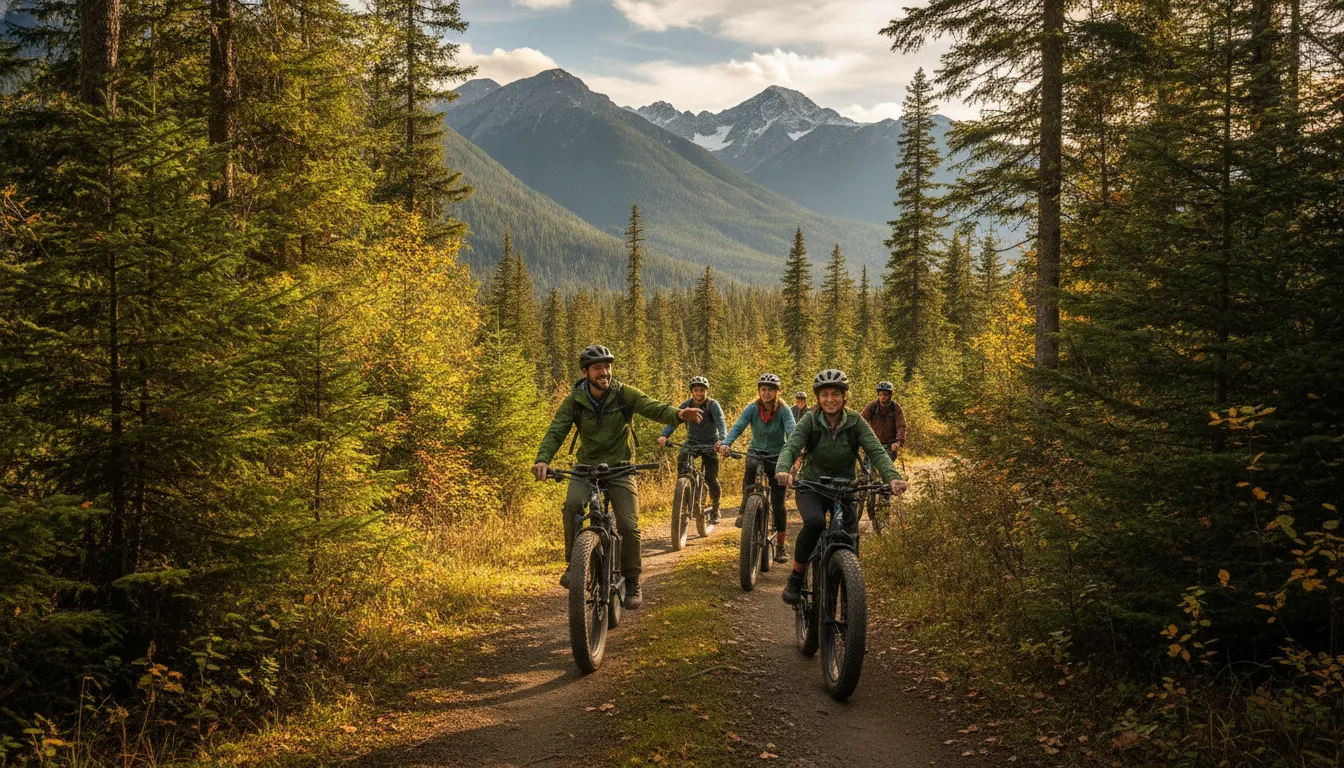
The guided Fat Tire eBike Adventure Tour follows a 27-kilometre curated circuit through Whistler’s natural attractions. The route includes sections of the scenic Valley Trail, a network that helps connect the valley’s communities, forests, waterways, and outdoor spaces. That variety gives you a broader sense of Whistler beyond the main village. While the pace leaves room to appreciate the landscape and ask questions about the places you pass.
A comfortable way to see more of the valley
Electric assistance makes it possible to cover more ground without making the ride feel like an endurance event. Fat tires provide a stable, comfortable ride on the varied surfaces encountered along the route, while the motor helps with hills and longer stretches. You still pedal and remain active, but you can direct more energy toward enjoying the scenery and keeping up with your group.
The experience is designed for a wide range of fitness levels and ages, from 12 to 92. That makes it a practical option for families travelling with teens, couples with different activity preferences, and multigenerational groups who want to share an outdoor experience. A guided format also means you do not need to spend your first day studying maps, choosing unfamiliar routes, or wondering which viewpoints are worth the detour.
Start at the Whistler Racquet Club
Whistler Electric Bike Tours operates out of the Whistler Racquet Club. Starting there gives the tour a clear meeting point away from the busiest village streets, followed by a carefully planned ride through the Whistler Valley. Your guide can help you get comfortable with the eBike before the tour begins and provide local context as the route unfolds.
For visitors deciding what to do shortly after arrival, this combination of orientation, scenery, and approachable activity is hard to beat. You can book a guided Fat Tire eBike Adventure Tour and make the surrounding landscape part of your first impression of Whistler.
Plan Your Trip to Whistler
Once you know where Whistler is, the easiest way to plan your visit is to group your time by area and activity. Most travelers arrive via the Sea-to-Sky Highway from Vancouver, then use Whistler Village as a convenient base for restaurants, shops, lodging, and access to the surrounding trails. Build in extra travel time if you are taking a shuttle, traveling during a busy weekend, or stopping at viewpoints along the way.
Start with the experiences that matter most to you. Skiers and snowboarders may want to organize their days around the mountains, while summer visitors can balance hiking, sightseeing, and time on the Valley Trail. Families and first-time visitors often find it helpful to leave some room in the schedule for weather changes and unplanned stops. A Whistler BC travel guide can help you connect the main areas, local highlights, and practical details before you arrive.
For a broad overview of what to see, use this list of the best attractions in Whistler to create a short priority list. Then choose one activity that helps you get oriented without requiring an entire day. The Whistler Valley’s scenic routes are especially enjoyable by eBike, giving you a guided introduction to the landscape while keeping the pace comfortable for different fitness levels. You can book a guided Fat Tire eBike Adventure Tour early, then plan nearby meals or sightseeing around the tour’s schedule.
Pack layers, comfortable footwear, water, and weather protection in every season. Mountain conditions can change quickly, and a flexible itinerary makes it easier to enjoy Whistler whether your first stop is a trail, a viewpoint, or the village.
Book a Whistler eBike Adventure Tour today and explore the valley with a knowledgeable guide.
Frequently Asked Questions
Where is Whistler, Canada located?
Whistler is a mountain resort community in the Coast Mountains of British Columbia, approximately 125 kilometres (75 miles) north of Vancouver. It sits along the Sea-to-Sky corridor, making it an easy addition to a Vancouver itinerary. NASA confirms the approximate distance.
How far is Whistler from Vancouver?
Whistler is about 120 to 125 kilometres from Vancouver, or roughly a two-hour drive in typical conditions. Travel time can be longer during winter weather, holiday periods, or heavy traffic on the Sea-to-Sky Highway.
What is the best way to get to Whistler from Vancouver?
The best option depends on your plans. Driving gives you the most flexibility for scenic stops and exploring nearby areas, while a scheduled shuttle or bus is convenient if you prefer not to navigate. Private transfers offer door-to-door service, especially for groups or airport arrivals.
In which province is Whistler located?
Whistler is located in British Columbia, Canada. The community is north of Vancouver and south of Pemberton, surrounded by the Coast Mountains and connected to Vancouver by Highway 99, also known as the Sea-to-Sky Highway.
Is Whistler far from the US border?
Whistler is a few hours north of the Canada-US border crossing at Blaine, Washington. Visitors driving from the Seattle area should allow extra time for the border crossing, traffic, and mountain-road conditions when planning their route.
Ready to Start Your Whistler Visit?
Once you know where Whistler is and how to arrive, a guided ride is a welcoming way to get oriented and experience the valley from a closer perspective. Book a guided Fat Tire eBike Adventure Tour to begin your visit with local guidance, fresh air, and an easy introduction to Whistler’s scenery. You can also contact us with questions about choosing the right tour for your plans.