
Best Attractions in Whistler BC Canada: Top Sights to See
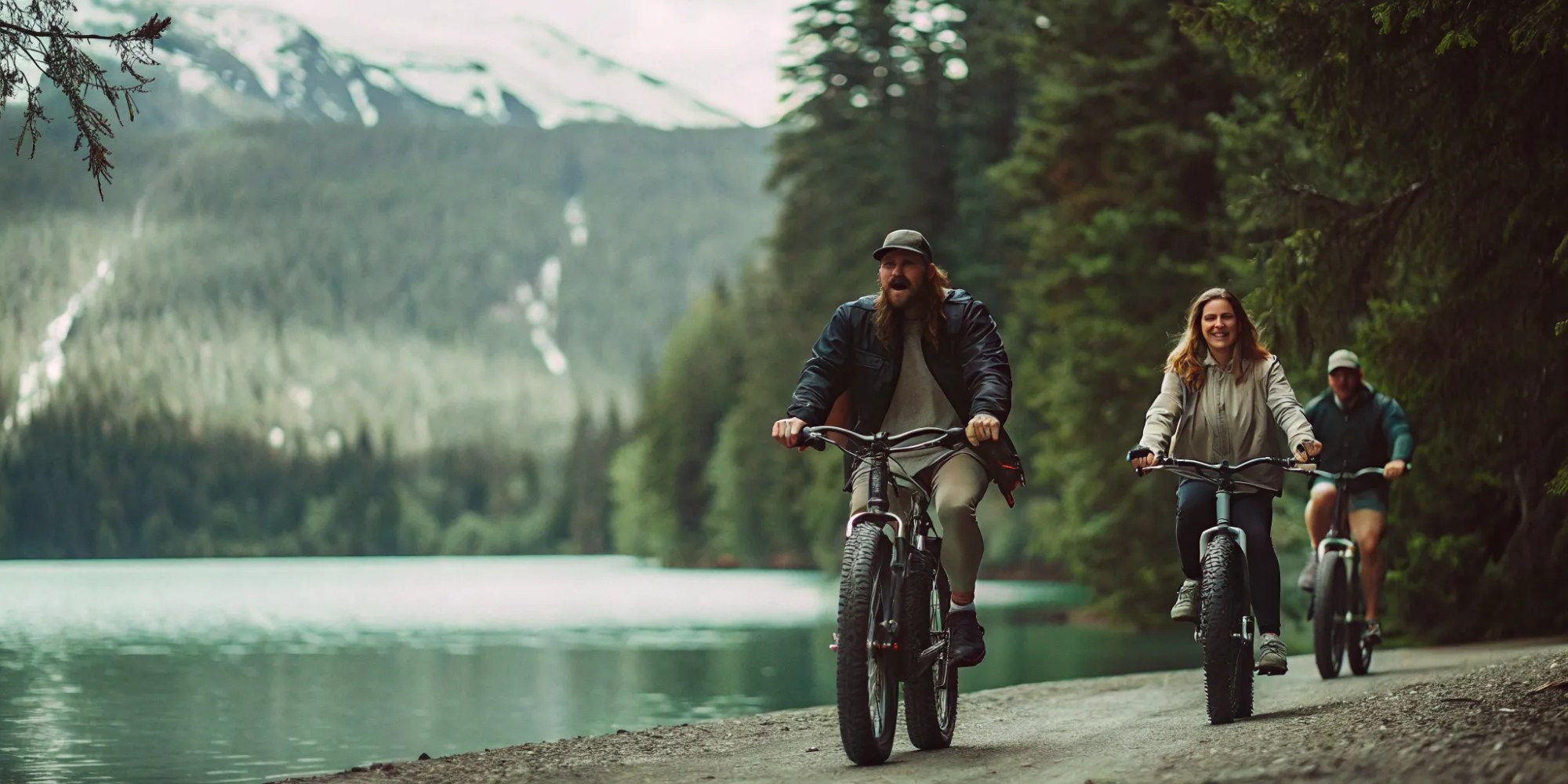
Whistler is famous for its mountains, but some of the area’s most memorable sights are found along the valley floor. Glacier-fed lakes, forested paths, wildlife habitat, and the River of Golden Dreams give visitors plenty to explore beyond a single viewpoint or village stroll.
See the best of Whistler on a guided Fat Tire eBike Adventure Tour.
The best way to experience several attractions in whistler bc canada in one relaxed outing is a guided Fat Tire eBike Adventure Tour. The core experience covers 23-27 km in about 2.5 hours, connecting scenic lakes, ancient cedar forests, wildlife habitats, and riverside landscapes through the paved Valley Trail network.
That combination makes it easier for mixed-fitness groups to see more of Whistler without turning the day into a race between stops. Start with the valley’s glacier-fed lakes, where clear water, mountain scenery, and easygoing routes establish the character of the area.
What Makes Whistler’s Glacier-Fed Lakes Its Signature Attractions?
Green Lake, Lost Lake, and Alta Lake anchor Whistler’s valley scenery. Each glacier-fed lake offers a different view of the mountain backdrop. And the paved Valley Trail connects all three, so visitors can experience every lake in one relaxed outing.
Whistler’s valley scenery changes constantly as the trail moves between forest, open shoreline, and mountain views. Three glacier-fed alpine lakes anchor this part of the landscape: Green Lake, Lost Lake, and Alta Lake.
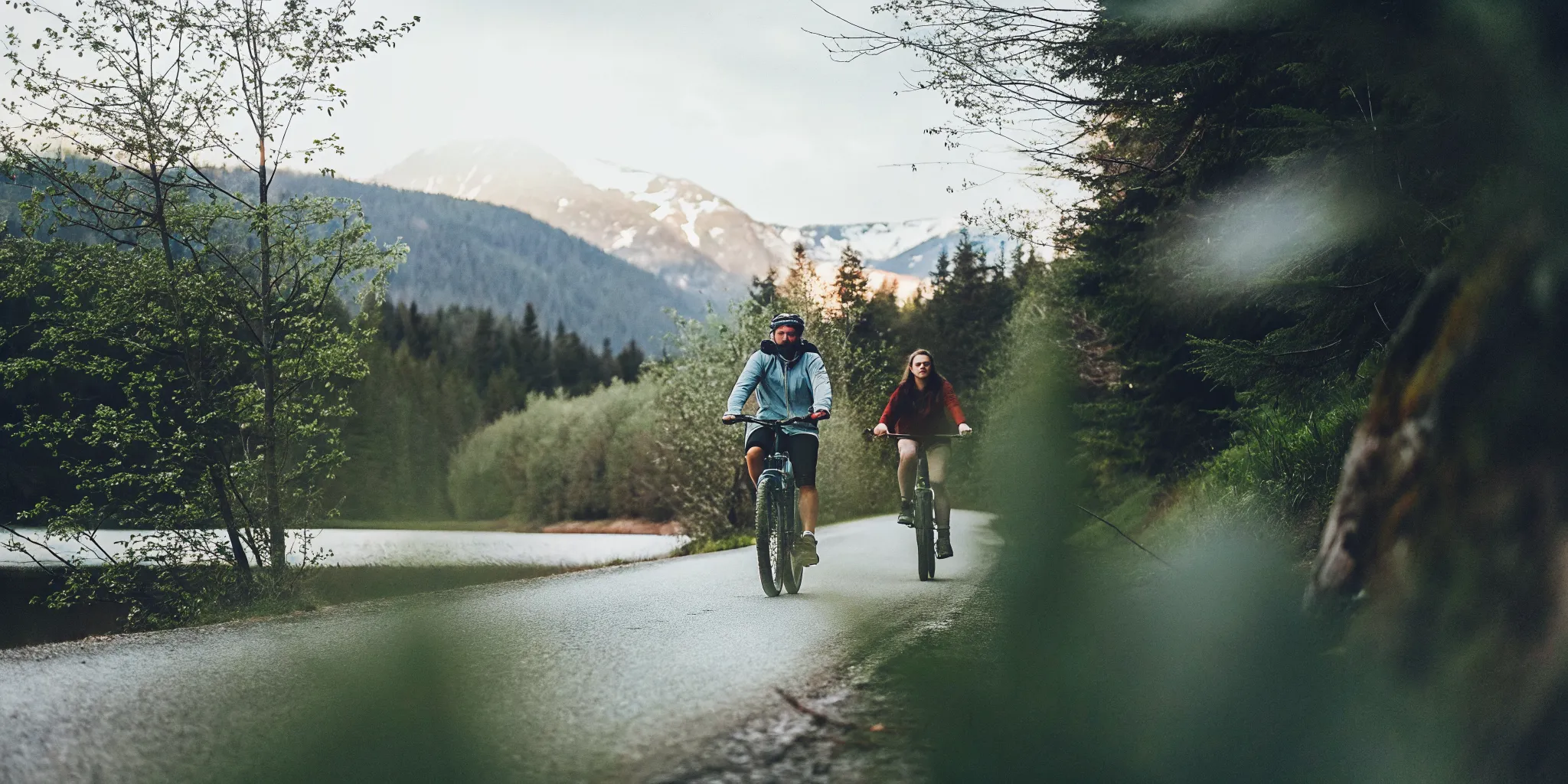
Each lake offers a different perspective on Whistler. Green Lake opens into broad mountain views, while Lost Lake feels tucked into the forest near the village. Alta Lake brings a classic lakeside setting and a close look at the valley’s mountain backdrop. Together, they show why the lakes belong on any list of sights in Whistler, BC, Canada.
What makes these lakes special
Glacier-fed water gives the lakes their alpine character, but the experience is not limited to a single viewpoint. The surrounding paths reveal cedar stands, quiet forest edges, and changing views across the valley. Light, weather, and season can make the same shoreline feel entirely different from one visit to the next.
The Valley Trail network ties these landscapes together with more than 300 kilometres of paved paths. Instead of planning separate drives and parking stops, visitors can follow connected routes through Whistler’s valley. That makes it easier to spend time looking around rather than focusing on navigation.
A guided Fat Tire eBike Adventure Tour provides a relaxed way to visit all three lakes during one curated outing. The electric assist helps mixed-fitness groups cover more ground while enjoying the scenery at a comfortable pace. Guides add local perspective as the route moves between shorelines, forests, and other valley landmarks.
This lake route also pairs naturally with Whistler’s wider outdoor sights. Visitors may notice wildlife habitat, golf-course scenery, and quiet stretches of the Valley Trail along the way. See the guided eBike Adventure Tours page for the current route and experience details.
The Valley Trail: Your Route to Whistler’s Top Sights
The Valley Trail is a paved recreational network of more than 300 kilometres. It links Whistler Village with lakes, parks, golf courses, wildlife habitat, and cedar forests across the valley floor.
Whistler’s Valley Trail turns a day of sightseeing into one connected experience. Instead of choosing one destination and retracing your route, you can move through several distinct Whistler landscapes in one outing. The scenery changes as the path passes open views, wooded areas, water, and wildlife habitat. That variety makes the Valley Trail especially useful for visitors who want to experience more of Whistler beyond the village.
What the Valley Trail connects
The Valley Trail links the village with lakes, parks, golf courses, and natural spaces. It connects glacier-fed lakes, including Green Lake, Lost Lake, and Alta Lake. The route also reaches scenic golf courses, relaxed parks, wildlife habitat, cedar forests, and Whistler Village.
The trail also gives a guided ride a natural sense of progression. Each stretch offers a different perspective on the valley, while local guidance helps you notice the places that are easy to miss when travelling between major sights.
Whistler Electric Bike Tours’ curated route covers approximately 23 to 27 kilometres over 2.5 hours. The distance provides room to see multiple highlights without turning the day into a race. A fat tire eBike helps make the route approachable for groups with different riding backgrounds and fitness levels.
Explore Whistler’s lakes, parks, and natural spaces on a guided Fat Tire eBike Adventure Tour.
Where Can You Spot Wildlife and Ancient Cedars in Whistler?
Whistler’s valley routes pass an active bear den viewing site. Stands of ancient Canadian red cedar estimated at 500 years old, bird sanctuaries, beaver lodges, and the River of Golden Dreams.
Some of Whistler’s most memorable scenery appears beyond the village streets. Along the valley routes, the landscape brings together wildlife habitat, ancient forests, quiet waterways, and places shaped by local history.
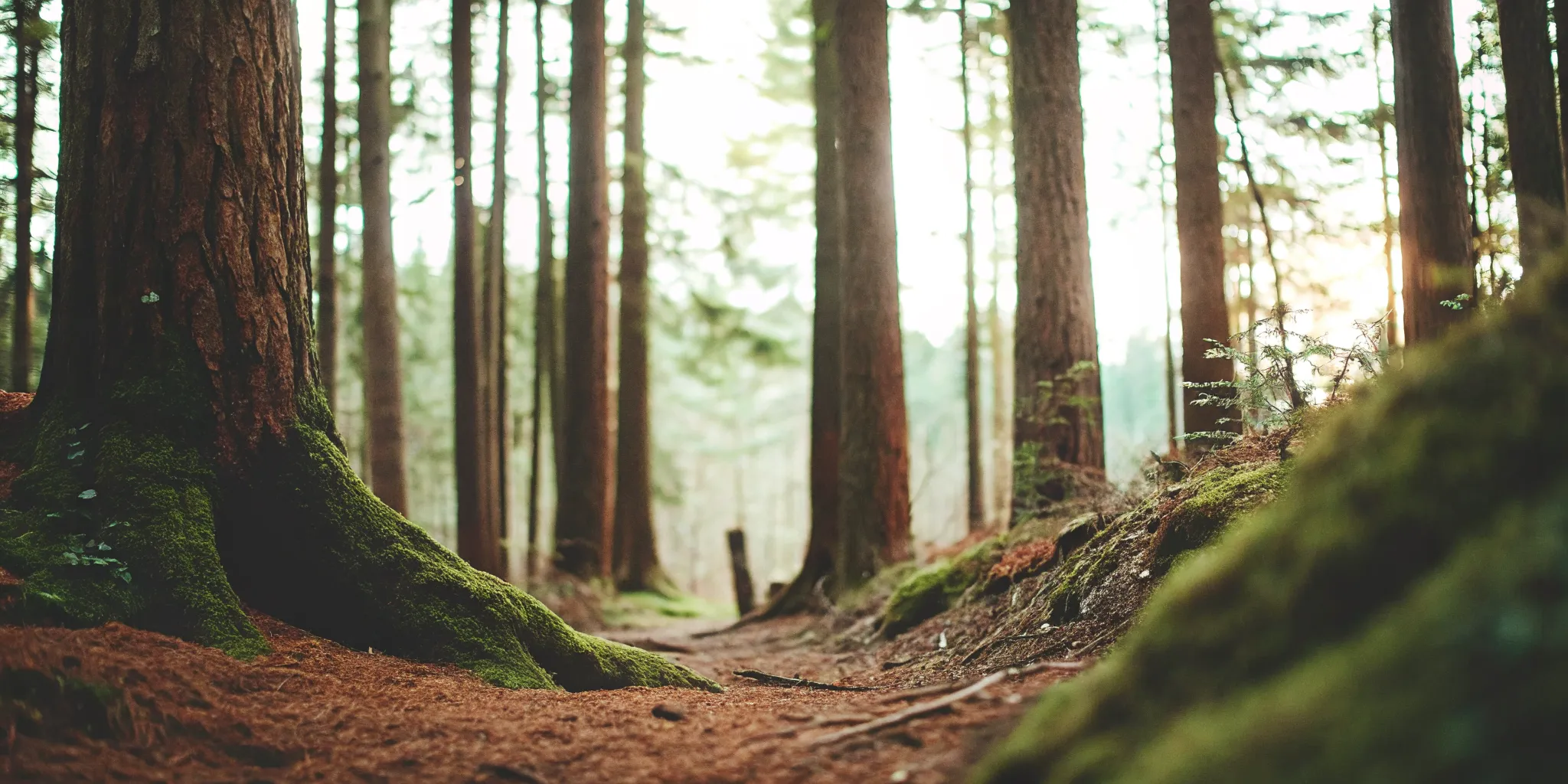
A guided Fat Tire eBike Adventure Tour passes an active bear den viewing site, where the surrounding habitat offers a respectful glimpse into Whistler’s wild character. The route also travels through stands of ancient Canadian red cedar, some estimated to be 500 years old. These towering trees create a sense of scale that is easy to miss when you only visit the area’s busiest viewpoints.
Other highlights include bird sanctuaries, beaver lodges, and fishing holes. Each setting reveals a different part of the valley ecosystem. Rather than rushing between attractions, a trained local guide helps guests notice tracks, habitat, waterways, and seasonal activity along the way.
The route follows the River of Golden Dreams and the River of Romance. These waterways add a peaceful rhythm to the ride, with forested edges and changing views throughout the journey. They also show why the valley is one of the most distinctive sights in Whistler, BC, Canada.
Watching wildlife the right way
Wildlife viewing is most rewarding when animals can behave naturally. Responsible observation protects the habitat and keeps the experience calm for everyone.
- Stay with your guide and follow their instructions throughout the route.
- Keep a respectful distance from animals and never approach for a closer photo.
- Watch quietly so birds and other wildlife are less likely to be disturbed.
- Never feed wildlife. Food can change animal behavior and create risks for the animals and visitors.
For more practical guidance before your ride, read this Whistler wildlife viewing tour guide. It explains how to enjoy Whistler’s natural habitats with care while leaving the valley as you found it.
Rainbow Park and the Village: Culture, History, and Easy Relaxation
Rainbow Park is an easy lakeside stop just outside the village. It is a calm place to pause, take in the mountain setting, and step back from the busier parts of Whistler.
Rainbow Park offers a gentle change of pace after the valley’s forests, lakes, and wildlife habitats. The park sits where a small fishing lodge stood in 1914. A place often described as “where it all began.” That detail gives the shoreline a sense of connection to Whistler’s earlier days.
Today, Rainbow Park is an easy place to pause, take in the mountain setting, and enjoy the open space beside the water. It fits naturally into a relaxed valley day because the experience does not need to be rushed. A guided Fat Tire eBike Adventure Tour can connect this peaceful stop with other attractions in Whistler, BC, Canada, while keeping the focus on scenery and local character.
From Rainbow Park, the route can lead toward Whistler Village and its lively pedestrian atmosphere. The village adds a cultural counterpoint to the quiet park. Visitors can browse, pause for refreshments, and take in the mountain-town setting between outdoor highlights.
Olympic history in the heart of the village
Olympic Celebration Plaza marks Whistler’s role in the 2010 Olympics. It is an accessible landmark for visitors who want to include a little local history alongside their time outdoors. The plaza helps show how Whistler’s identity combines mountain recreation, international events, and community gathering places.
The tour meeting point is the Whistler Racquet Club in Village North. Starting there makes it simple to transition from the village area into the Valley Trail and the broader landscape. Instead of planning separate drives between each stop, guests can enjoy a guided route that links nature and culture in one outing.
A small detail with a big sense of place
Whistler’s only airport is a Seaplane Harbor, another distinctive detail visitors may notice while exploring the area. It reflects the community’s unusual relationship with mountains, water, and travel. These small landmarks can make a day in Whistler feel more personal than a checklist of major sights.
For mixed-fitness groups, this combination works well. The day can include a historic park, a village landmark, and quiet valley scenery without turning every stop into a demanding activity. The result is an unhurried look at Whistler from several different angles.
How to See the Best Attractions in Whistler BC Canada in One Day
A guided Fat Tire eBike Adventure Tour covers 23 to 27 kilometres in about 2.5 hours. The route connects three glacier-fed lakes, wildlife habitat, cedar forests, golf-course scenery, and other valley highlights on the paved Valley Trail.
Trying to fit several scenic stops into one day can feel ambitious. A guided Fat Tire eBike Adventure Tour makes the valley easier to explore without rushing from one attraction to the next. It is a practical way to see more of the natural landscape in a single outing.
What to expect on a guided eBike Adventure Tour
Each Adventure Tour begins at the Whistler Racquet Club. Daily departure times are 9 AM, 1 PM, and 5 PM, giving visitors flexibility around other plans. The operating season runs from May through October.
Your experience includes a premium fat tire eBike, helmet, trained local guide, and snacks. The guide helps connect the scenery, routes, and local surroundings, while the electric bike supports a relaxed pace across the valley.
Visitors who want to compare route options can explore these half-day guided eBike tours. They can also read about a custom bike tour in Whistler when their group needs a more flexible plan.
Who can join a Fat Tire eBike Adventure Tour
The experience is designed for riders aged 12 and older. It suits mixed-fitness groups who want to enjoy Whistler’s scenery without the intensity of a traditional bike ride.
That makes it a useful choice for families, friends, and locals showing visitors around. Riders can share the day while taking in lakes, forests, wildlife habitat, and valley paths together.
Instead of choosing only one landmark, you can experience several distinct sides of Whistler in one guided outing. The result is a scenic, eco-conscious way to build a fuller picture of the valley during a short visit.
| Compare how you see Whistler: | Guided Fat Tire eBike Adventure Tour | Self-driving between stops |
|---|---|---|
| Route planning | Curated 23-27 km route on the paved Valley Trail. | Parking and navigation at each stop. |
| Pace | Relaxed, guided, suited to mixed-fitness groups. | Depends on traffic, parking, and timing. |
| Local insight | Trained local guide shares flora, fauna, and history. | Self-guided; research required. |
| Scenery access | Lakes, cedar stands, wildlife habitat, and riverside paths. | Mostly roadside viewpoints and paid lots. |
| Eco impact | Pedal-assist eBike, low-impact valley travel. | Vehicle emissions and parking footprint. |
For groups that want to cover several sights without the logistics of parking or route planning, the guided option keeps the day simple. Visitors can also shape their own plan with a custom bike tour in Whistler when flexibility matters most.
When to Visit Whistler for the Best Attractions
Whistler’s lakes, forests, and valley trails are easiest to enjoy from May through October, which is also when the guided Fat Tire eBike Adventure Tours operate.
The best time to visit depends on which parts of Whistler you want to experience. For glacier-fed lakes, forest paths, wildlife habitat, and riverside scenery, the valley is at its most welcoming between late spring and early fall.
Summer brings the most activity
Summer is the busiest stretch in Whistler. Longer days make it easier to combine lake visits, village time, hiking, and other outdoor attractions. It is also a lively period for visitors who want a full schedule of mountain and valley experiences.
If you prefer a quieter pace, consider May or June, or return in late September or October. These shoulder-season months can offer less crowded trails and a more relaxed atmosphere. In fall, vivid colors add another layer to rides through the valley.
A guided Fat Tire eBike Adventure Tour is especially well suited to shoulder-season planning. You can enjoy the scenery without building your day around a single busy attraction. Local guidance also helps you appreciate the natural spaces connecting Whistler’s best-known landmarks.
Whistler is a year-round destination
Winter changes the experience rather than closing it down. Whistler Blackcomb becomes a central attraction for snow sports and mountain activities. The Whistler Sliding Centre adds another distinctive winter experience for visitors looking beyond skiing.
Winter is not the operating season for the guided eBike Adventure Tour, but it can still be the right choice for a snow-focused getaway. Spring and fall offer a useful middle ground, with seasonal scenery and a calmer valley atmosphere.
For the broadest mix of lake scenery and accessible outdoor attractions, choose a May-to-October visit. For snow, mountain sports, and winter venues, plan around the colder season.
Plan your Whistler day around a guided Fat Tire eBike Adventure Tour.
Frequently Asked Questions
What are the best attractions in Whistler, BC, Canada?
Start with Whistler’s glacier-fed lakes, Valley Trail, wildlife habitats, ancient cedar stands, River of Golden Dreams, Rainbow Park, and Olympic Celebration Plaza. Together, they show the valley’s scenery, history, and local character.
Is Whistler worth visiting in the summer?
Yes. Summer is a good time to enjoy the lakes, parks, wildlife habitats, forest routes, golf-course scenery, and outdoor village atmosphere. Whistler Electric Bike Tours operate from May through October, when a guided Fat Tire eBike Adventure Tour can connect several valley highlights in one outing.
What are some free things to do in Whistler?
Walking through Whistler Village, visiting Olympic Celebration Plaza, relaxing at public parks. And exploring accessible sections of the Valley Trail are simple ways to enjoy Whistler without planning a paid attraction. Lake views and forest scenery add plenty of variety.
What is the best way to see several Whistler attractions in one day?
A guided Fat Tire eBike Adventure Tour offers a relaxed, local-led way to cover multiple sights. The core experience lasts 2.5 hours and covers approximately 23 to 27 kilometres on the paved Valley Trail network, which spans more than 300 kilometres. The route includes alpine lakes, forests, wildlife habitats, and other valley scenery.
Are guided eBike Adventure Tours suitable for mixed-fitness groups?
They are designed for visitors across many fitness levels, including people ages 12 to 92. Electric assistance helps groups enjoy the scenery without the intensity of a traditional bike ride, while a guide provides local insight along the route.
Ready to See Whistler’s Top Attractions?
A guided Fat Tire eBike Adventure Tour offers an easy way to connect scenic lakes, wildlife areas, and riverside stops in one relaxed outing.
See the guided Fat Tire eBike Adventure Tour options with Whistler Electric Bike Tours.