
What to Wear on a Whistler eBike Tour
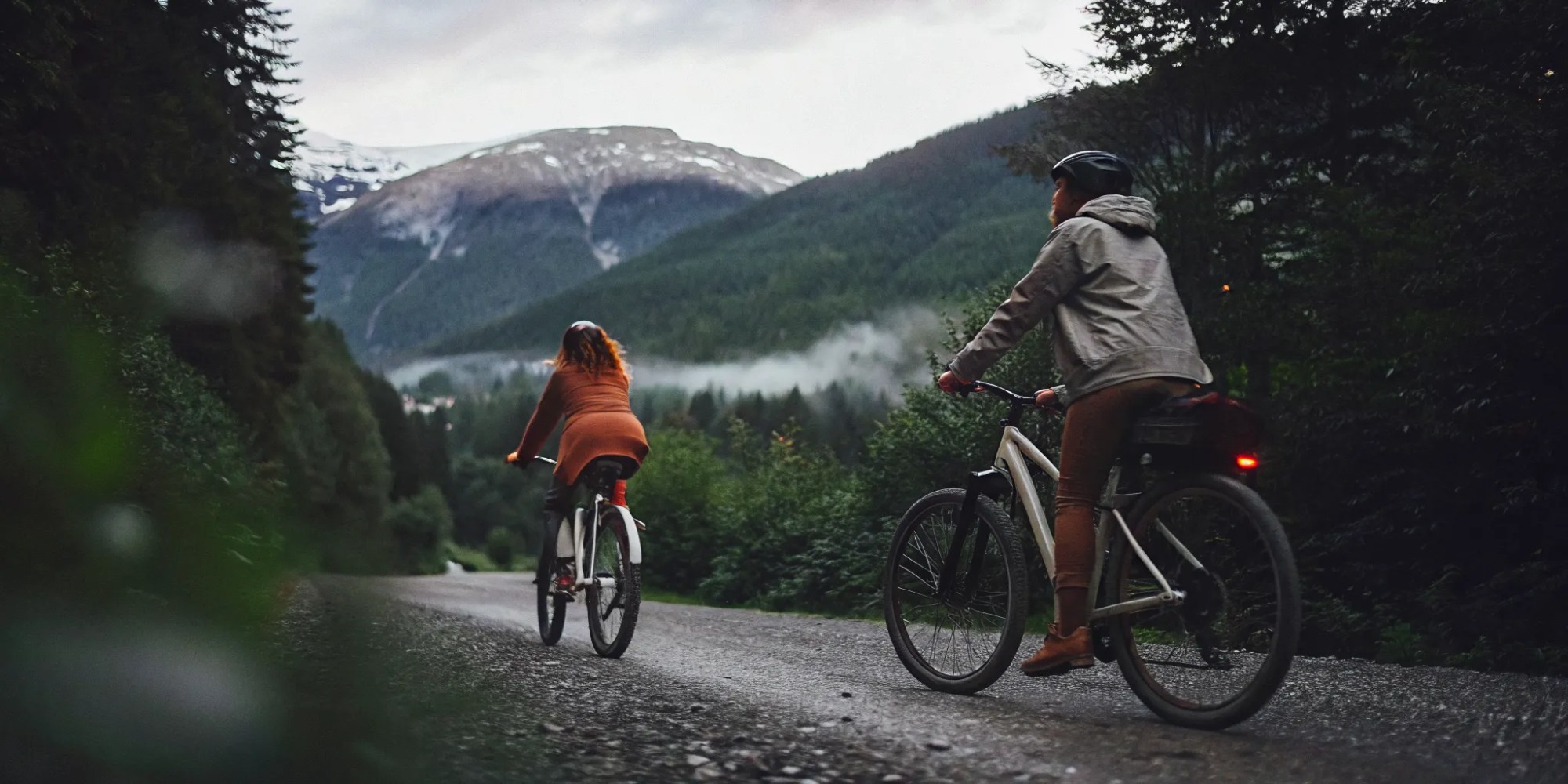
Wondering what to wear on a Whistler eBike tour? Start with comfortable clothes you can move in, closed-toe shoes, and light layers that are easy to add or remove. Bring sun protection and a compact rain shell, then check the forecast and your booking details before leaving. You do not need to arrive dressed like a competitive cyclist. The goal is to feel comfortable while enjoying Whistler’s valley scenery.
Book your guided Whistler eBike tour and arrive ready for the ride.
Mountain weather can change the feel of a ride quickly. A cool morning may become a warm afternoon, while a sunny forecast can still include wind or a brief shower. A flexible outfit helps you focus on the lakes, forests, and wildlife habitat around you instead of wishing you had packed one more layer.
This practical checklist separates helpful recommendations from tour-specific requirements. For the latest details, always review the tour FAQ and the messages included with your booking.
What to wear on a Whistler eBike tour: quick checklist
For most guests, the best outfit combines a breathable top, comfortable fitted bottoms, secure closed-toe shoes, and one removable outer layer. Add sunglasses and sunscreen for bright conditions. This simple combination supports easy movement and gives you room to adjust if Whistler’s mountain weather changes.
- Breathable shirt or athletic top
- Comfortable shorts, leggings, or fitted outdoor pants
- Secure closed-toe walking or athletic shoes
- Light removable mid-layer
- Compact rain-resistant shell
- Sunglasses and sunscreen
| Item | Best practical choice | Why it helps |
|---|---|---|
| Top | Breathable shirt plus a light removable layer | Makes temperature changes easier to manage |
| Bottom | Comfortable shorts, leggings, or fitted outdoor pants | Allows easy movement without excess loose fabric |
| Footwear | Comfortable closed-toe shoes with a secure fit | Supports steady footing on pedals and during stops |
| Outer layer | Compact wind-resistant or rain-resistant shell | Useful if clouds, wind, or showers arrive |
| Sun protection | Sunglasses and sunscreen | Helps on bright, exposed sections of the ride |
Wear the core pieces and carry the optional layer rather than putting everything on at the start. If the day begins cool, you can wear the extra layer and remove it after warming up. If the day starts warm, keep the shell accessible instead of burying it under everything else.
The guided experience uses fat-tire electric bikes and includes a pre-tour safety briefing and individual bike fitting. Helmets are provided. That means your main preparation job is choosing an outfit that feels natural and checking any current guest instructions before arrival.
How should you layer for changing mountain weather?
Use three adaptable layers: a breathable base, a light warming piece, and a compact outer shell. Wear only what feels comfortable at the start and keep the other pieces accessible. This approach handles a cool morning, warmer afternoon, breeze, or brief shower without requiring a bulky bag.
Start with a comfortable base layer
Your base is the shirt that sits next to your skin. A breathable T-shirt or athletic top works well for many riders. Choose one that feels comfortable when you raise your arms, turn your shoulders, and lean slightly forward. A familiar top is usually better than new technical clothing that you have never worn.
On warmer days, the base layer may be all you wear for much of the ride. On cooler days, it should fit comfortably beneath another piece. Avoid a base that is so heavy that you cannot cool down once you begin moving.
Add a light mid-layer when it is cool
A light fleece, thin sweater, or zip-up layer can make a cool start more comfortable. A front zipper is useful because it lets you adjust airflow without removing the whole layer. Choose something compact enough to carry if the temperature rises.
The best mid-layer is not necessarily the warmest one in your suitcase. It is the one you can remove easily and keep with you. Bulky winter clothing can become cumbersome during a valley ride, especially if conditions warm quickly.
Keep a compact outer shell ready
A lightweight shell adds protection when wind picks up or a shower passes through. Look for a piece that packs down small and fits over your other clothing. It should let you move your arms freely and should not hang loosely around the bike.
Check the day’s forecast, but treat it as a planning guide rather than a promise. The most adaptable outfit gives you a comfortable starting point and one easy adjustment in either direction.
Choose comfortable closed-toe footwear
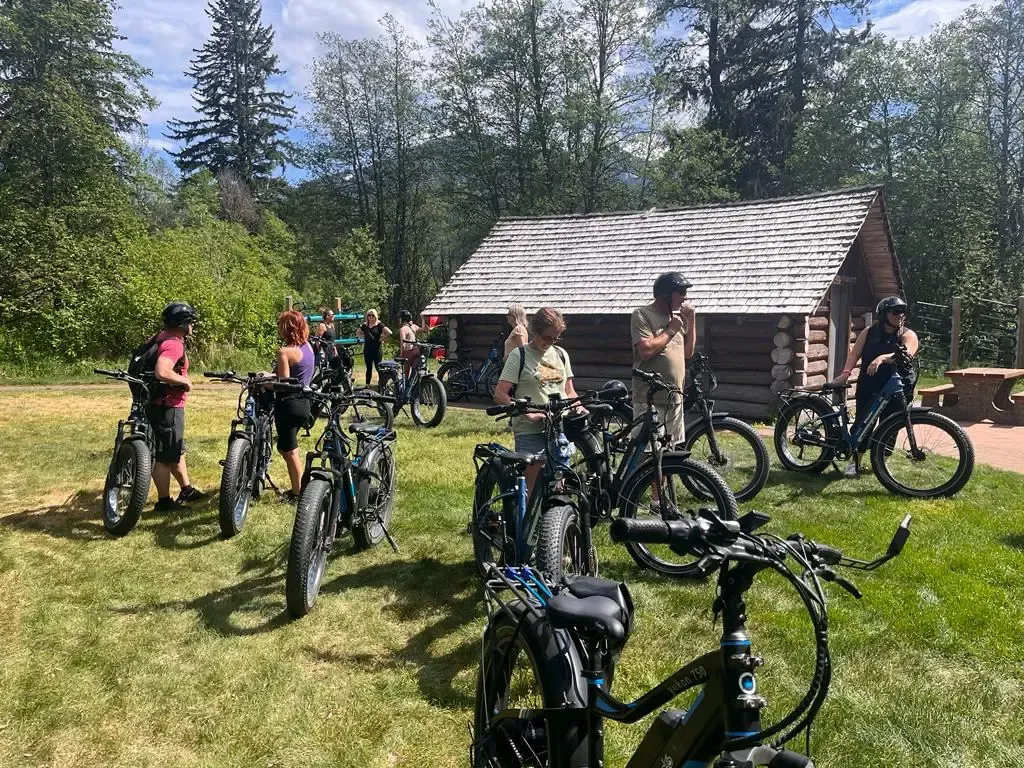
Comfortable closed-toe footwear is the most practical choice for an eBike tour. A secure shoe helps you place your foot confidently on the pedal and feels natural when you stop to listen to your guide, enjoy a viewpoint, or take a photo.
Choose trainers, walking shoes, or light hiking shoes that fit well and have a stable sole. Your heel should stay in place, and the laces should tie securely. Tuck away long lace loops so they do not become a distraction. If a shoe already feels uncomfortable while walking around your accommodation, it is unlikely to improve once you are out exploring.
Prioritize fit over specialized features
You do not need clip-in cycling shoes or a cycling-specific shoe for a relaxed guided experience. In fact, familiar footwear is often the easier choice. You should be able to pedal comfortably and walk normally during breaks.
Very soft slip-on shoes, open-toe sandals, and footwear with an unstable platform are less practical for this kind of outing. Fashion shoes with a raised heel can also make it harder to find a natural position on the pedal. These are practical considerations rather than a substitute for current tour instructions.
Plan for the day’s conditions
If rain is possible, consider shoes and socks that remain comfortable if they become slightly damp. On a warm, dry day, breathable footwear may feel better. Whatever you choose, wear it before the tour so you know it does not rub or pinch.
Prepare for sun, wind, and rain
A few small items can make a meaningful difference when conditions shift. You do not need to overpack. Focus on pieces that solve a clear problem and can be kept accessible during the ride.
Plan for bright conditions
Sunglasses can improve comfort on bright sections of the route. Choose a pair that fits securely and does not slide when you look down or turn your head. Apply sunscreen before arriving, including areas that are easy to overlook, and bring a small amount for reapplication if that suits your plans.
A hat may be useful before or after the ride, but remember that a helmet is provided for participants. Rather than assuming how a hat will work with the helmet, keep it stored during the ride and follow your guide’s instructions during fitting.
Bring a light rain option
A compact rain shell is more useful than a heavy coat for many changing-weather days. It can help with both rain and wind, and it takes up less room when not needed. Choose a shell that closes securely and does not have loose straps.
If the forecast is unsettled, protect small essentials such as your phone in a water-resistant pouch or zipped pocket. Carry only what you need, and keep items secure rather than loose. A simple setup is easier to manage when you stop for scenery or photos.
Check conditions on the day
Look at the forecast shortly before leaving, not only several days ahead. Pay attention to temperature, chance of precipitation, and wind. Then adjust one part of your outfit: add a mid-layer for a cool start, pack a shell for uncertain weather, or choose lighter clothing for a warm day.
Do you need special cycling clothes?
No. Most guests can dress for a guided Whistler eBike experience using comfortable outdoor or casual clothing they already own. Electric assistance makes the ride approachable for many fitness levels, while the guided format helps you settle into the equipment and route.
Special cycling clothing can be useful if you already enjoy wearing it, but it is not the foundation of a good outfit. Comfort, movement, and adaptability matter more. Choose bottoms that let you bend your knees freely and a top that does not restrict your shoulders. Keep loose scarves, long dangling straps, and wide flapping fabric at home.
Useful optional extras
Some riders like light cycling gloves because they are accustomed to them. Others prefer riding without gloves. If you bring a pair, make sure they fit well and do not interfere with your grip. A light neck layer can be helpful on a cooler day, provided it fits closely and does not hang loose.
A small personal bag may be convenient, but less is usually more. Bring only the items you expect to use, and choose a setup that keeps your hands free. Confirm any storage questions before your tour rather than assuming a particular bag or accessory can be accommodated.
The easiest test is to put on your planned outfit and move around. Sit on a chair, bend your knees, raise your arms, and walk for a few minutes. If everything stays comfortable and secure, you are likely on the right track.
What should you confirm before your tour?
Tour details can change, and some questions depend on the day or the individual guest. A quick check before arrival prevents guesswork and lets the guide focus on getting everyone comfortable.
- Review your booking message. Look for arrival directions, timing, and any current preparation notes sent with your reservation.
- Read the current FAQ. Use the Whistler Electric Bike Tours FAQ for up-to-date answers instead of relying on an old social post or third-party article.
- Check the forecast. Make your final clothing decision close to departure and keep one adaptable layer ready.
- Ask about personal uncertainties. If you have a question about clothing, belongings, fit, or participation, contact the tour team before arriving.
- Arrive ready for fitting and briefing. Helmets are provided, and the experience begins with a safety briefing and individual bike fitting.
When in doubt, ask. Confirming a detail is better than packing around an assumption. You can also review the guided Whistler eBike tour page to get familiar with the experience before your ride.
Pack light and keep essentials accessible
Thoughtful packing is not about bringing every possible item. It is about having the few things that help you adapt without adding clutter. Put your rain shell, sunglasses, and any small personal essentials where you can reach them easily. Secure phones, keys, and other loose belongings in a zipped pocket or suitable pouch. Before leaving your accommodation, do one final check: shoes tied, layers comfortable, forecast reviewed, and booking instructions read. That short routine makes arrival easier and leaves more attention for the guided experience.
Choose your Whistler eBike tour and confirm the latest guest details before arrival.
Frequently asked questions
What is the best outfit for a Whistler eBike tour?
Wear comfortable clothes that allow easy movement, secure closed-toe shoes, and light removable layers. Add sunglasses and sunscreen for bright weather, and keep a compact shell ready if wind or rain is possible.
Are helmets provided?
Yes. Helmets are provided for participants. Follow the guide’s instructions during the pre-tour fitting and safety briefing, and confirm any personal equipment questions before arrival.
What should I wear if rain is forecast?
Choose a light rain-resistant shell that fits over your other layers and closes securely. Comfortable footwear and socks that can handle a little moisture are also practical. Check your booking communication for any day-specific guidance.
Can I wear regular clothes on an eBike tour?
Yes. Comfortable everyday outdoor clothing can work well. You do not need a cycling kit. Avoid clothing that is restrictive or excessively loose, and choose pieces you can adjust as the weather changes.
Should I bring a bag?
Bring only the personal items you expect to use and keep them secure. Because storage arrangements may vary, confirm current guidance through the FAQ or your booking communication before deciding what bag to bring.
Ready to explore Whistler by eBike?
A comfortable outfit is simple: wear secure shoes, start with breathable clothing, and keep one useful layer ready for changing mountain weather. Once you have checked the forecast and confirmed the latest tour details, you can focus on Whistler’s scenery and the fun of the ride.
Book your guided Whistler eBike tour and get ready for an easygoing valley adventure. Need arrival directions? Visit the Find Us page, or browse the Whistler eBike blog for more local planning ideas.