
Best Time for an eBike Tour in Whistler
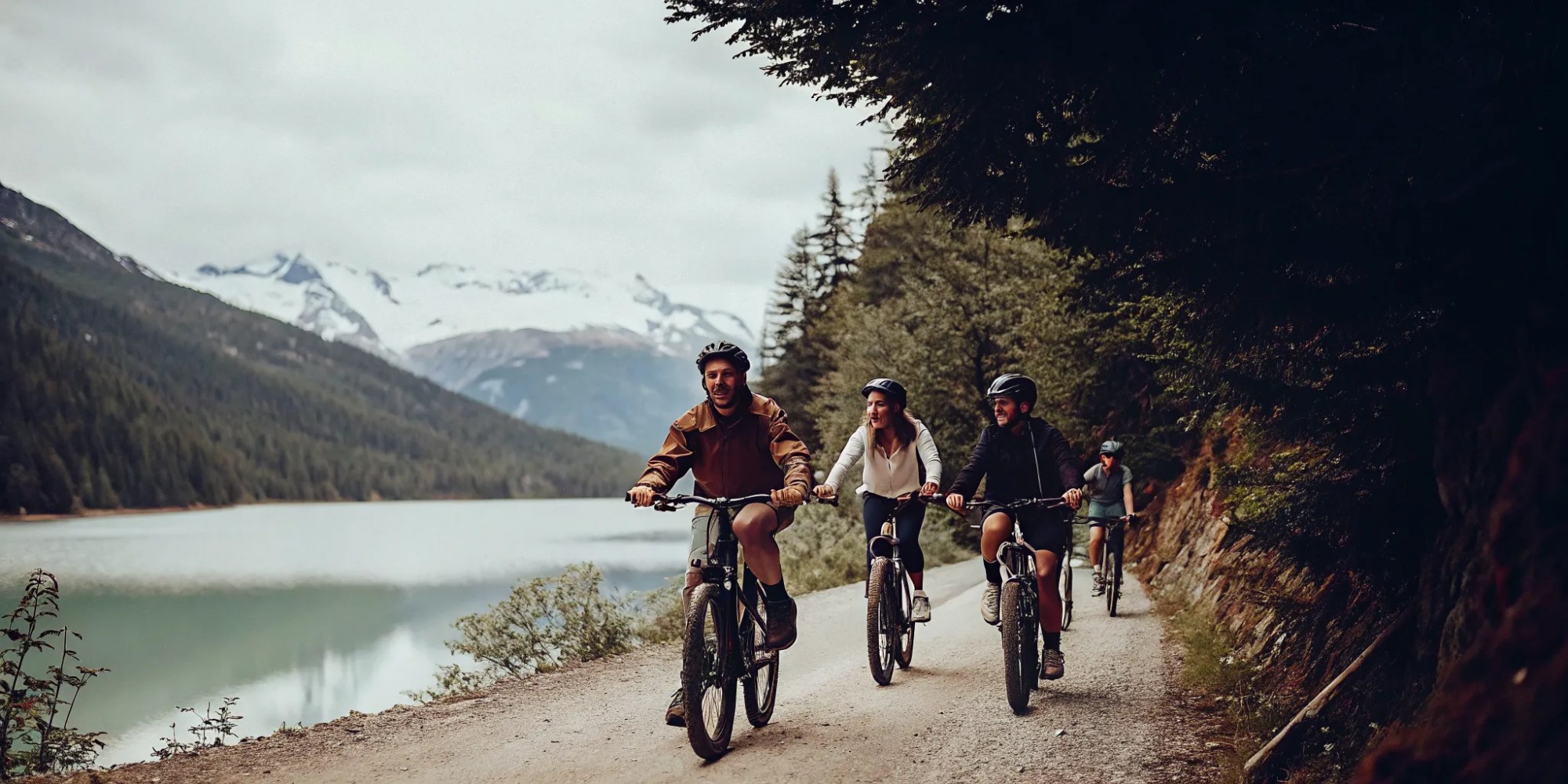
The best time for an eBike tour in Whistler depends on the valley experience you want. Summer brings long days, leafy trails, and bright lake views. Spring pairs fresh greenery with snow-capped peaks. Fall adds colourful foliage, crisp air, and soft light. Your ideal season is the one that fits your scenery priorities, weather comfort, and travel plans.
Review the guided Whistler eBike tour and check current availability before choosing your ride date.
A guided valley tour is not a downhill mountain-bike outing. It is an easygoing way to see Whistler’s lakes, forests, waterways, and wildlife habitat while a local guide handles the route. Electric assistance helps mixed-fitness groups stay together and focus on the landscape instead of making speed the goal.
Whistler Electric Bike Tours’ core guided experience lasts about 2.5 hours and covers roughly 23 to 27 kilometres. The route can showcase places such as Green Lake, Lost Lake, Alta Lake, Rainbow Park, and stretches of the Valley Trail. Current routes and conditions can vary, so confirm the latest details directly when planning.
What is the best time for an eBike tour in Whistler?
For many first-time visitors, summer is the easiest all-around choice because it combines long daylight hours with classic lake-and-mountain scenery. Spring is best for fresh growth and strong valley-to-peak contrast. Fall suits riders who prefer cool air, autumn colour, and softer light. Every season rewards thoughtful packing.
| Season | Valley character | Prepare for | Best suited to |
|---|---|---|---|
| Spring | Fresh greenery, flowing waterways, and snowy peaks | Cool starts, damp sections, and changing conditions | Nature lovers and flexible planners |
| Summer | Lush forests, bright lakes, and long days | Sun, warmth, and popular visitor periods | First-time visitors and mixed-fitness groups |
| Fall | Colourful foliage, crisp air, and soft light | Cooler temperatures and possible wet weather | Photographers and repeat visitors |
This comparison describes the character of each season rather than promising specific weather or operating dates. Whistler is a mountain destination, and conditions can change quickly. Check the forecast, confirm current availability, and review the operator’s tour FAQ before your ride.
Spring brings fresh growth and mountain contrast
Spring shows Whistler in transition. New leaves and bright green growth appear across the valley while snow may still define the surrounding mountains. That contrast can make even a familiar view feel dramatic. Flowing waterways, damp forest edges, and changing light add variety throughout a guided ride.
Nature-focused visitors often enjoy spring because the landscape feels active. Rather than chasing a single landmark, you can pay attention to how the valley is waking up. A guide can point out cedar stands, wildlife habitat, beaver lodges, bird sanctuaries, and other details that are easy to miss when you are navigating alone.
Why choose a spring ride?
- You enjoy cool, fresh riding conditions.
- You want green valley scenery framed by snowy peaks.
- You appreciate flowing waterways and a landscape in transition.
- You have enough flexibility to prepare for changing conditions.
How should you prepare for spring?
Use a flexible layering system. Start with breathable clothing, add a warm layer for a cool morning, and carry a light weather-resistant outer layer. Closed-toe shoes are practical throughout the riding season. Spring conditions can change between sunny open spaces and shaded forest sections, so clothing you can adjust is more useful than one heavy layer.
Do not assume that a pleasant forecast guarantees identical conditions across the valley. Check the forecast close to your tour, ask about the current route, and confirm availability directly. Spring is rewarding precisely because it is dynamic, but it suits riders who arrive ready to adapt.
Why is summer a popular time for a Whistler eBike tour?
Summer delivers the Whistler valley scenery many travellers picture before arriving: glacier-fed lakes, green forest, mountain views, and plenty of daylight. Typical peak-season temperatures referenced in local planning materials range from about 10 to 25 degrees Celsius. Or 50 to 77 degrees Fahrenheit, although the day’s forecast should always guide your preparation.
The season works especially well for a first visit. On a route of roughly 23 to 27 kilometres, electric assistance helps riders see much more of the valley than they could comfortably cover on foot. A 2.5-hour guided experience also fits easily around lunch, sightseeing, or other plans without taking over the entire day.
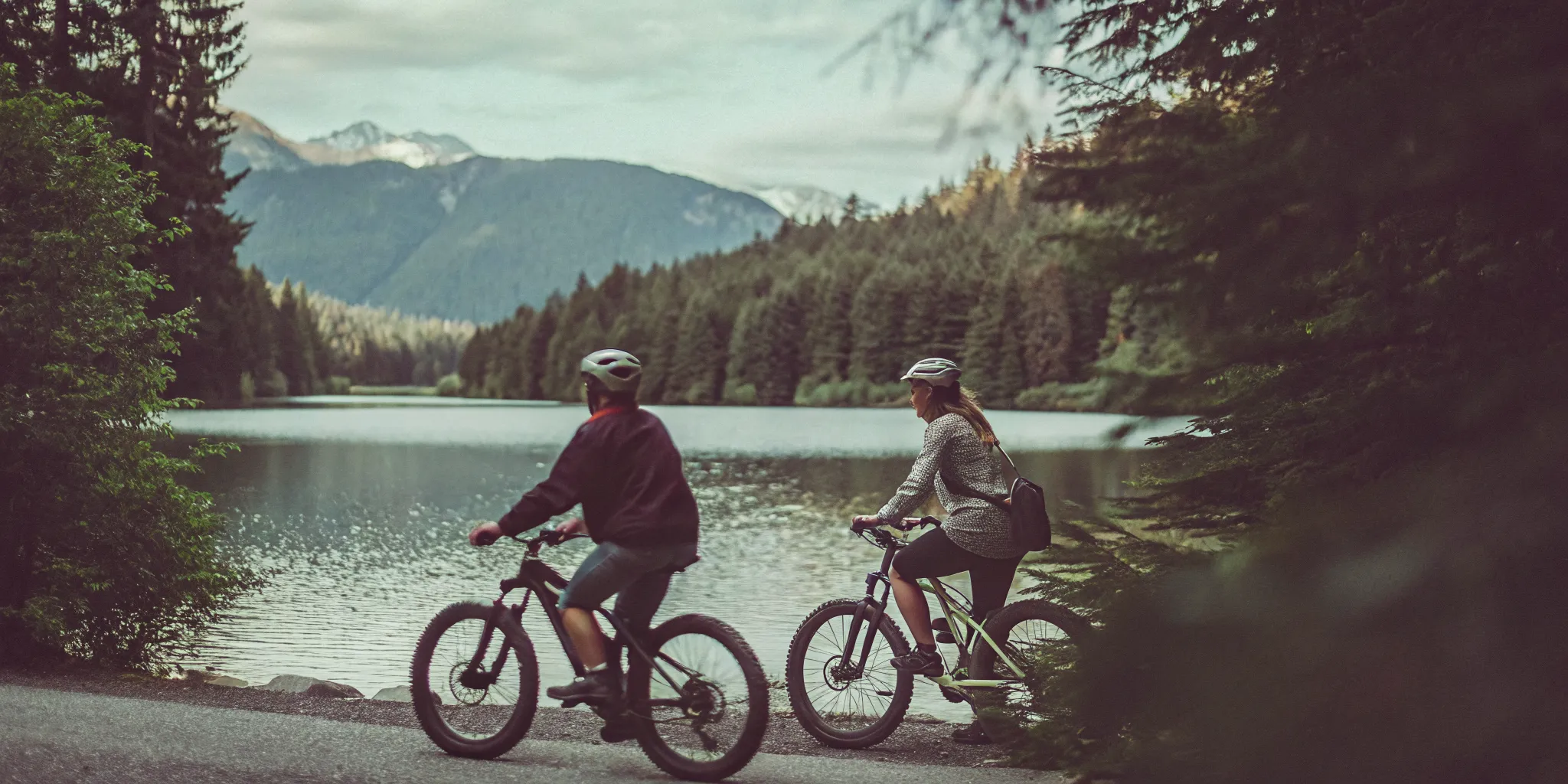
What can you see during summer?
A guided valley ride can connect several signature landscapes in one outing. Green Lake, Lost Lake, and Alta Lake each offer a different view of the surrounding mountains. Rainbow Park opens onto broad lake scenery, while forested Valley Trail sections create a quieter change of pace. Exact routing can vary with current conditions.
The ride is also about smaller details between the landmarks. Cedar stands, bear dens, beaver lodges, bird sanctuaries, and wildlife habitat give a local guide plenty of context to share. To understand the route and riding style in more detail, read what a guided eBike tour on the Whistler Valley Trail is like.
Who benefits most from a summer tour?
Summer is a strong choice for families, first-time visitors, and groups with different fitness levels. Fat tire eBikes and electric assistance make scenic valley exploration approachable without turning the outing into a demanding workout. Riders still need to be comfortable following guide instructions and handling a bicycle, so anyone with participation questions should contact the operator in advance.
See the current guided tour details and decide whether the 2.5-hour valley experience fits your summer itinerary.
How should you prepare for summer?
Bring water, sun protection, and a light layer. Even on a warm day, conditions can feel different near a lake, under dense tree cover, or later in the afternoon. Comfortable clothing and closed-toe shoes make practical basics. If you have a packed schedule, leave enough time before the tour so the group can begin without feeling rushed.
Summer is also a popular visitor period, so planning ahead can help. Confirm current times and availability rather than relying on a fixed schedule mentioned elsewhere. If you are comparing different activities, this guide to guided eBike tours in Whistler explains what makes a valley ride distinct.
Fall offers colour, crisp air, and softer light
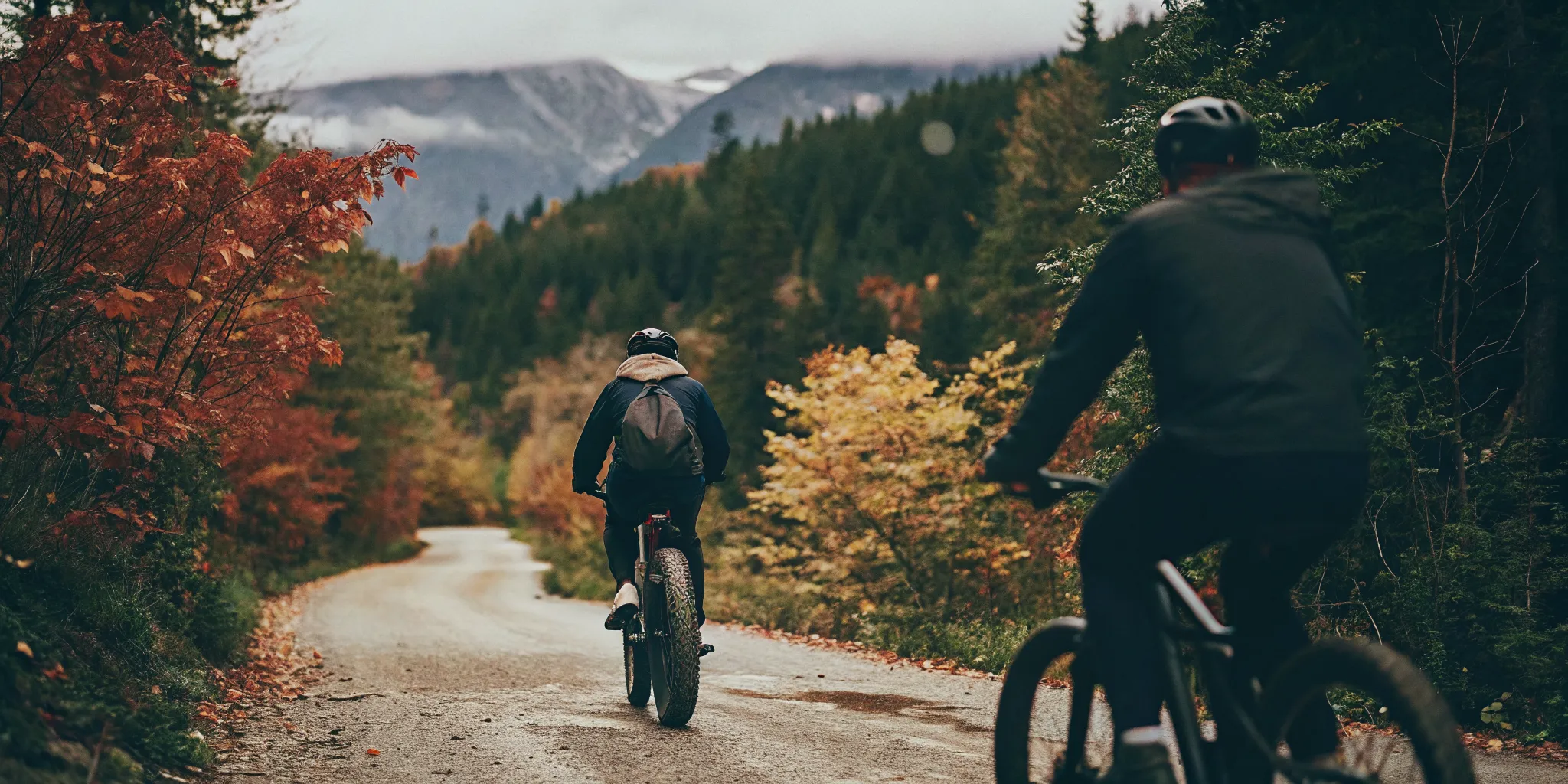
Fall changes the mood of the Whistler valley. Cooler air, changing leaves, and lower-angle light make the ride feel atmospheric. Forest edges gain richer colour, and familiar lakes can look completely different when autumn tones frame the water. For repeat visitors, fall reveals another side of the scenery they may have seen in summer.
Photography-minded riders often appreciate this season. Soft light can add depth to mountain views, while colourful foliage creates natural frames along the trail. A guided outing lets you pay attention to those scenes rather than constantly checking directions through an unfamiliar network of routes.
Why choose a fall ride?
- You want colourful foliage and soft natural light.
- You prefer cool air over peak summer warmth.
- You have visited in summer and want a different valley experience.
- You enjoy a calm, nature-focused pace.
How should you prepare for fall?
Choose warm, breathable layers and consider light gloves on cooler days. A weather-resistant outer layer can be useful if rain is possible. Temperature can shift as the sun moves or the route passes between open and shaded areas, so carry layers you can easily add or remove.
Fall availability should be confirmed directly rather than assumed. The best approach is to check the forecast, ask what the valley feels like now, and book a date that matches your comfort. If finding the meeting point is part of your planning, use the operator’s directions and location information.
How do you choose the right season for your group?
Choose the season by starting with your group’s priorities, not a generic claim about the best month. Scenery, weather comfort, schedule flexibility, and cycling confidence all matter. A group that wants warm, classic lake views may choose summer, while photographers may value spring contrast or fall colour more.
Match the season to your favourite scenery
Pick spring for fresh growth, active waterways, and snowy peaks above the green valley. Choose summer for vivid lake views and a fully leafy landscape. Select fall for changing foliage and softer light. The same Valley Trail network can feel different as colour, light, and weather shift through the year.
Consider who will be riding
Guided fat tire eBike tours can be a good fit for mixed-fitness groups because electric assistance helps riders enjoy the route together. Teens, parents, grandparents, and friends may value the shared sightseeing pace. Anyone with questions about comfort, age, equipment, or participation should consult the FAQ or contact the operator before booking.
Decide how much weather flexibility you have
If your dates are fixed, pack for the current forecast and enjoy the seasonal character available during your stay. If your dates are flexible, compare the outlook and choose a day that suits your group’s comfort. Whistler’s mountain setting rewards preparation in every season.
Know the difference between valley sightseeing and downhill riding
A guided valley eBike tour focuses on scenery, local context, and approachable exploration. It is not the same as riding technical downhill trails in the bike park. Visitors who want lake views, forest paths, and an easygoing group experience are better matched to the valley format. Learn more about the experience in this guide to what to expect on a Whistler eBike tour.
What should you bring on a Whistler eBike tour?
A short packing list helps in every season. The goal is not to carry everything you own, but to stay comfortable when sun, shade, wind, or light rain changes how the valley feels. Always prioritize current instructions from the operator over a general guide.
- Comfortable clothing that allows easy movement
- Closed-toe shoes suitable for riding
- One or more layers matched to the forecast
- Sun protection and water for warm or bright days
- A light weather-resistant layer when conditions may change
- Any personal essentials identified in current tour guidance
A small, thoughtful kit makes it easier to focus on the scenery. Avoid overpacking bulky items that you do not need. Before leaving, review the latest tour FAQ and confirm any equipment or participation details that matter to your group.
Frequently asked questions
What is the best overall season for a Whistler eBike tour?
Summer is a popular all-around choice for first-time visitors who want long days, leafy scenery, and classic lake views. Spring and fall may be better if seasonal contrast, changing foliage, cool air, or softer light matters more to you.
How long is the guided Whistler valley eBike tour?
The core guided valley experience lasts about 2.5 hours and covers roughly 23 to 27 kilometres. Exact routing can vary with current conditions, so confirm the latest tour details before booking.
Which Whistler lakes might a valley tour visit?
The route can showcase glacier-fed lakes such as Green Lake, Lost Lake, and Alta Lake, along with Rainbow Park and scenic Valley Trail sections. Stops and routing may change, so treat these as highlights rather than guaranteed stops.
Can beginners enjoy a guided eBike tour?
A guided valley eBike experience is designed to make scenic exploration approachable for many riders, including mixed-fitness groups. Anyone with specific cycling comfort, age, equipment, or participation questions should contact the operator before booking.
Can weather change during a ride?
Yes. Whistler is a mountain destination, so conditions can shift. Checking the forecast and bringing flexible layers helps you stay comfortable as the route moves between lakesides, forest shade, and open areas.
Choose your season and see Whistler up close
The best time for an eBike tour in Whistler is the season that matches the way you want to see the valley. Spring feels fresh and dynamic. Summer delivers the classic lake-and-mountain experience. Fall adds colour and atmosphere. Whichever you choose, prepare for the forecast and confirm current details before arriving.
Ready to ride? Review the guided Whistler eBike tour, check current availability, and choose a date that fits your visit.