
River of Golden Dreams Whistler: A Scenic eBike Adventure Tour
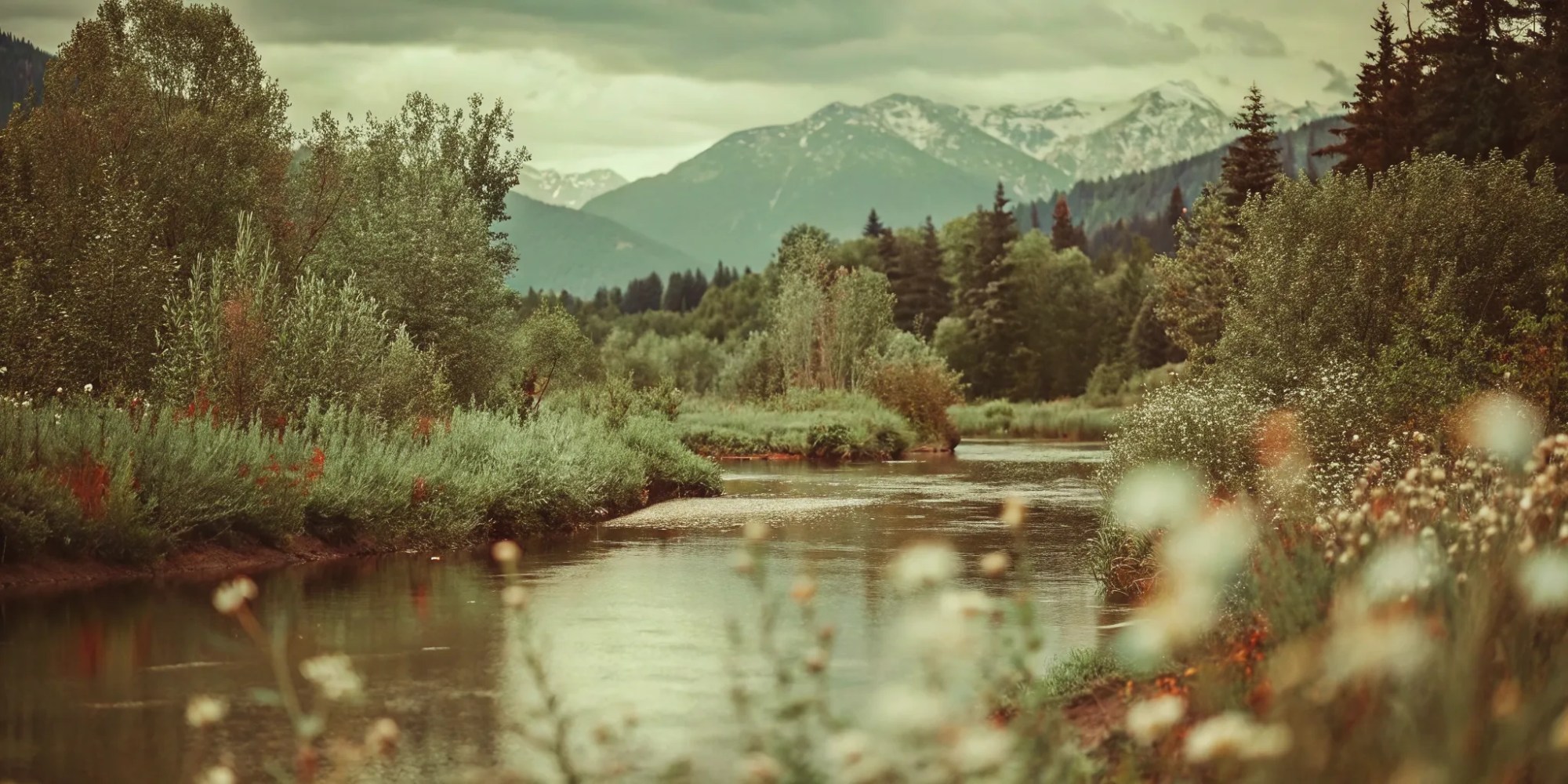
The River of Golden Dreams in Whistler is one of those places that sounds like it belongs in a storybook. Yet it is very real and waiting to be explored. This scenic waterway connects Alta Lake to Green Lake, winding five kilometres through lush wetlands. Ancient cedar forests, and prime wildlife habitat in the heart of the Whistler Valley. Many visitors discover the river by canoe or kayak. But the best way to experience its full sweep is from the seat of a fat tire eBike on the Valley Trail. You can cover the entire river corridor in a single afternoon without breaking a sweat. Book your River of Golden Dreams eBike Adventure Tour today and experience Whistler’s most scenic waterway firsthand.
The river of golden dreams whistler is a five-kilometer winding waterway that flows through the heart of the Whistler Valley. Known locally as Alta Creek, this gentle stream connects Alta Lake to Green Lake. While it is only three kilometers between the lakes in a straight line, the river winds through lush wetlands and old cedar trees. It got its name from a 1920s song sung at the old Rainbow Lodge nearby. The river serves as a home for local wildlife like beavers and black bears. Many visitors now choose a guided fat tire eBike Adventure Tour to see the river and its surroundings without the hard work of paddling a boat. The guided tour stops at a local cafe midway and finishes at Rainbow Park, where the historic Rainbow Lodge once welcomed guests in the early 1900s.
This guide takes you through what makes the River of Golden Dreams so special. From its unique golden reflections at sunset to the rich wildlife that calls its banks home. You will discover why local guides consider this winding waterway one of the valley’s most beloved natural landmarks and how a guided eBike Adventure Tour offers the best way to experience it all.
”
What Makes the River of Golden Dreams in Whistler Unique?
The River of Golden Dreams is a five-kilometer scenic waterway in Whistler, British Columbia, that connects Alta Lake to Green Lake. Its distinctive golden reflections at sunset give the river its poetic name, inspired by a 1920s hit song. The river winds through ecologically rich wetlands, cedar stands, and wildlife habitat that make it one of the valley’s most important natural corridors.
While its official map name is Alta Creek, locals and visitors know it by its more poetic title. This calm river flows north for about five kilometres, connecting the south end of Alta Lake to the cold waters of Green Lake. Although the river twists and turns through the valley, the two lakes are only three kilometres apart in a straight line. The river drains into the larger Green River system, which eventually flows into the Lillooet River and on toward the Pacific Ocean.
The river sits at the heart of the Whistler Valley’s natural drainage system. It collects water from the surrounding mountain slopes and carries it through one of the most ecologically important wetland corridors in the region. The river’s slow current and meandering course create ideal conditions for a rich diversity of plant and animal life, with pools and riffles alternating along its five-kilometer length. For more on the valley’s natural attractions, read our guide to Exploring Alta Lake and Lost Lake by eBike.
A name from the past
The river got its name from a hit song in the 1920s. During the busy years of the old Rainbow Lodge. The song “Down the River of Golden Dreams” was a big hit among the Vancouver-area entertainers and socialites who frequented the lodge on weekends. People visiting the lodge loved the way the setting sun turned the slow-moving water into bright gold, day after day. This golden light on the slow current inspired the name we use today. You can still see these golden reflections on the water during a late afternoon bike ride. Especially on the 5pm tour departure when the sun hangs low over the Coast Mountains.
The history of Rainbow Lodge
Before Whistler became a world-class resort, it was home to a simple fishing lodge tucked into the wilderness. Rainbow Lodge was built in 1914 by Alex and Myrtle Philip. They called it a “wee fishing lodge for lovers,” and it soon became the most popular summer getaway in the valley. Guests arrived by railway for weekends of fishing, boating, and exploring the river that flowed past the lodge property. The lodge’s location at the river’s egress from Alta Lake made it a natural base for paddling parties who gave the river its romantic name. Today, the old lodge site is Rainbow Park, a lakeside recreation area with a sandy beach, swimming dock, and spectacular mountain views. This park is a key stop on the eBike Adventure Tour, where guides share stories of the lodge’s heyday and the early days of Whistler tourism. You can find us and learn more about our tours on our contact page.
The river in the valley ecosystem
This water path is a key connector in the local nature system. It drains Alta Lake and its tributary streams, then flows into the larger Green River. The path along the river is flat and easy to ride. Following the Valley Trail through thick cedar and hemlock trees past quiet backwater ponds and bird nesting sites. The boardwalk sections of the trail offer a front-row seat to the wetland ecosystem. Riding along the banks gives you a great view of the Whistler Valley’s interconnected waterways. Showing how the lakes, rivers, and wetlands all work together in this mountain environment. For a broader overview, visit our Whistler Electric Bike Tours homepage to see all the experiences we offer.
”
What Wildlife Can You See Along the River of Golden Dreams?
The river corridor supports an exceptional range of species including black bears, beavers, bald eagles, osprey, great blue herons, otters, deer, and many waterfowl species. The wetlands, old-growth cedar forests, and riparian zones along the river create one of the region’s most biodiverse habitats. Guided eBike tours offer safe, elevated wildlife viewing from the Valley Trail.
The river of golden dreams whistler serves as a vital wildlife corridor in the Whistler Valley. This slow-moving waterway connects Alta Lake to Green Lake and supports an exceptional range of species across its five-kilometer length. The wetlands, old-growth forests, and riparian zones along the river create one of the region’s most biodiverse habitats.
Birds of the river corridor
Birdwatchers will find the river rich with avian life, including:
- Bald eagles and osprey patrolling the skies above the open water
- Great blue herons and sandhill cranes stalking the shallows for fish and amphibians
- Ducks, geese, and belted kingfishers working the calmer eddies of the river
- Warblers, thrushes, and songbirds nesting in the dense cedar and fir canopy
For a dedicated wildlife experience, check out our Whistler Wildlife Viewing Tour guide for tips on the best times and locations.
Mammals along the banks
The river is famous for its beaver population. These industrious animals build dams that create small ponds and wetlands along the route, which in turn support fish, frogs, and aquatic insects. Black bears are frequent visitors to the riverbanks, especially in late summer when mountain ash bushes produce red berries. The guide team at Whistler Electric Bike Tours, led by founder Ash, knows exactly where to look for tracks and feeding signs. Other mammals you might encounter include:
- River otters and mink hunting along the water’s edge
- Deer and raccoons frequenting the underbrush
- Small mammals such as squirrels, chipmunks, and snowshoe hares
Aquatic life and vegetation
Beneath the surface, the river supports rainbow trout and other native fish species. The slow current and shaded banks create ideal spawning habitat. Flowering lily pads and water daisies sprout from the river bottom and rest on the water surface during summer. Creating vivid patches of white and green against the dark water. Towering 500-year-old cedar and fir trees line the banks, their roots anchoring the soil and preventing erosion. The understory includes salmonberry bushes, ferns, and mossy logs that create micro-habitats for insects and amphibians. For more on the ancient trees of the region, read our post on Ancient Cedars: Explore 500-Year-Old Forests.
The Backroads Whistler team, which has operated paddle trips on the river since 1985, describes the river as “a fundamental ecosystem of the Whistler Valley. Home to many of the critters that reside here.” A new fish weir was installed on the river in 2024 to improve juvenile fish passage and boost water levels during drought periods. For paddlers, late summer brings lower water levels and a mandatory portage around beaver dams. The eBike Adventure Tour, however, follows the paved Valley Trail alongside the river and is never affected by water conditions.
”
Why Is an eBike the Best Way to Experience This River?
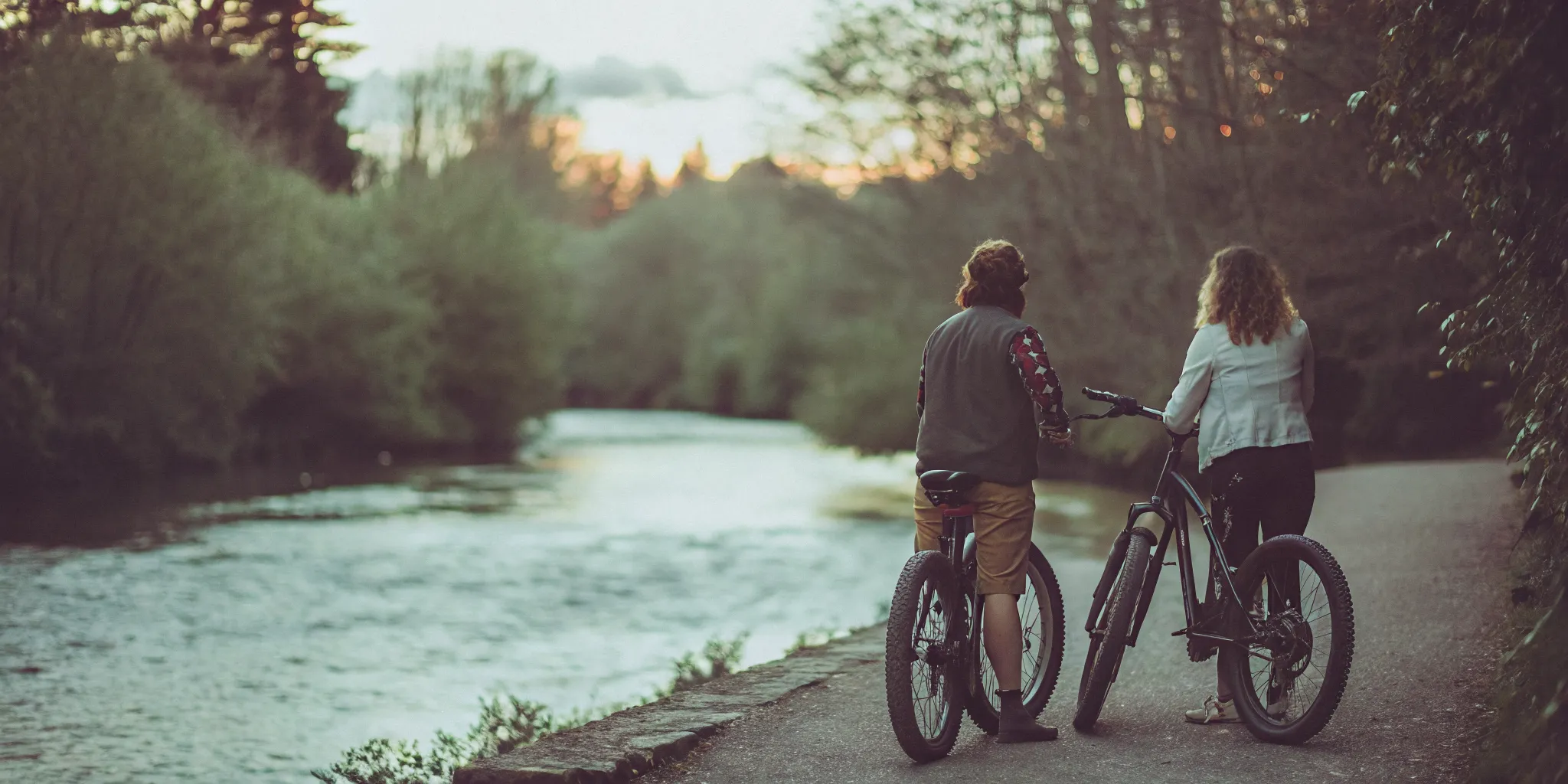
A guided eBike Adventure Tour offers perspectives on the River of Golden Dreams that neither paddling nor walking can match. The Valley Trail network runs parallel to the river corridor, giving riders elevated views of the water, wetlands, and wildlife. With class 1 pedal-assist eBikes, the full 27-kilometer route is accessible to guests aged 12 and up regardless of fitness level.
The eBike Adventure Tour offers a unique perspective on the River of Golden Dreams that neither paddling nor walking can match. The Valley Trail network runs parallel to the river corridor for much of its length, giving riders elevated views of the water. Wetlands, and wildlife without the physical demands of a canoe or the limited range of a hike. With a class 1 pedal-assist eBike, the bike does 90 percent of the work. Making the full 27-kilometer route accessible to guests aged 12 and up regardless of fitness level.
| Feature | eBike Adventure Tour | Canoe/Kayak | Hiking |
|---|---|---|---|
| Distance covered | 27 km in 2.5 hours | 5 km river only | 5-10 km max |
| Fitness required | Minimal (pedal-assist) | Moderate | Moderate to high |
| River access | Full river corridor + 3 lakes | River only | Limited viewpoints |
| Late summer obstacles | None (paved trail) | Portage required | None |
| Wildlife viewing | Elevated vantage points | Water level view | Ground level |
| Guide expertise | Local expert included | Varies by rental | Self-guided |
| All-weather suitability | Paved trail, any weather | Weather dependent | Trail dependent |
Accessibility for all fitness levels
The class 1 pedal-assist eBikes make the experience accessible to everyone. The motor only engages when you pedal, maintaining a natural cycling feel while flattening the hills. Guests ages 12 to 92 have completed the tour comfortably. The fat tires provide stability on the paved Valley Trail, and guides adjust the pace to suit the group. This makes the eBike Adventure Tour an ideal choice for families, multi-generational groups, and anyone who wants to enjoy the scenery without strenuous effort. If you are new to eBiking, our First-Timer’s Guide to the Whistler Valley Trail by eBike covers everything you need to know.
Covering more ground
While a canoe trip on the River of Golden Dreams covers just the five-kilometer river stretch. The eBike Adventure Tour covers 27 kilometers of the Whistler Valley in a single outing. The tour reaches three glacier-fed alpine lakes, ancient cedar stands, bear habitat, bird sanctuaries, and the river corridor. The Valley Trail’s paved surface means riders stay clean and dry even in wet weather, unlike paddlers who face portages around beaver dams during late summer low-water conditions. For more on the trail network and its accessibility, read our post Are E-Bikes Allowed in Whistler? Local Trail Rules.
Expert local guidance
Whistler Electric Bike Tours guides bring years of local knowledge to every trip. Named guides Ash, Patty, and Art know exactly where to find wildlife. When to visit each viewpoint for the best light, and how to tell the story of the river and the valley. With over 366 reviews averaging 4.8 out of 5 stars and a 94 percent recommendation rate, the tour has earned a reputation as one of Whistler’s top-rated experiences.
”
What Is the Full Tour Route from Alpine Lakes to Rainbow Park?
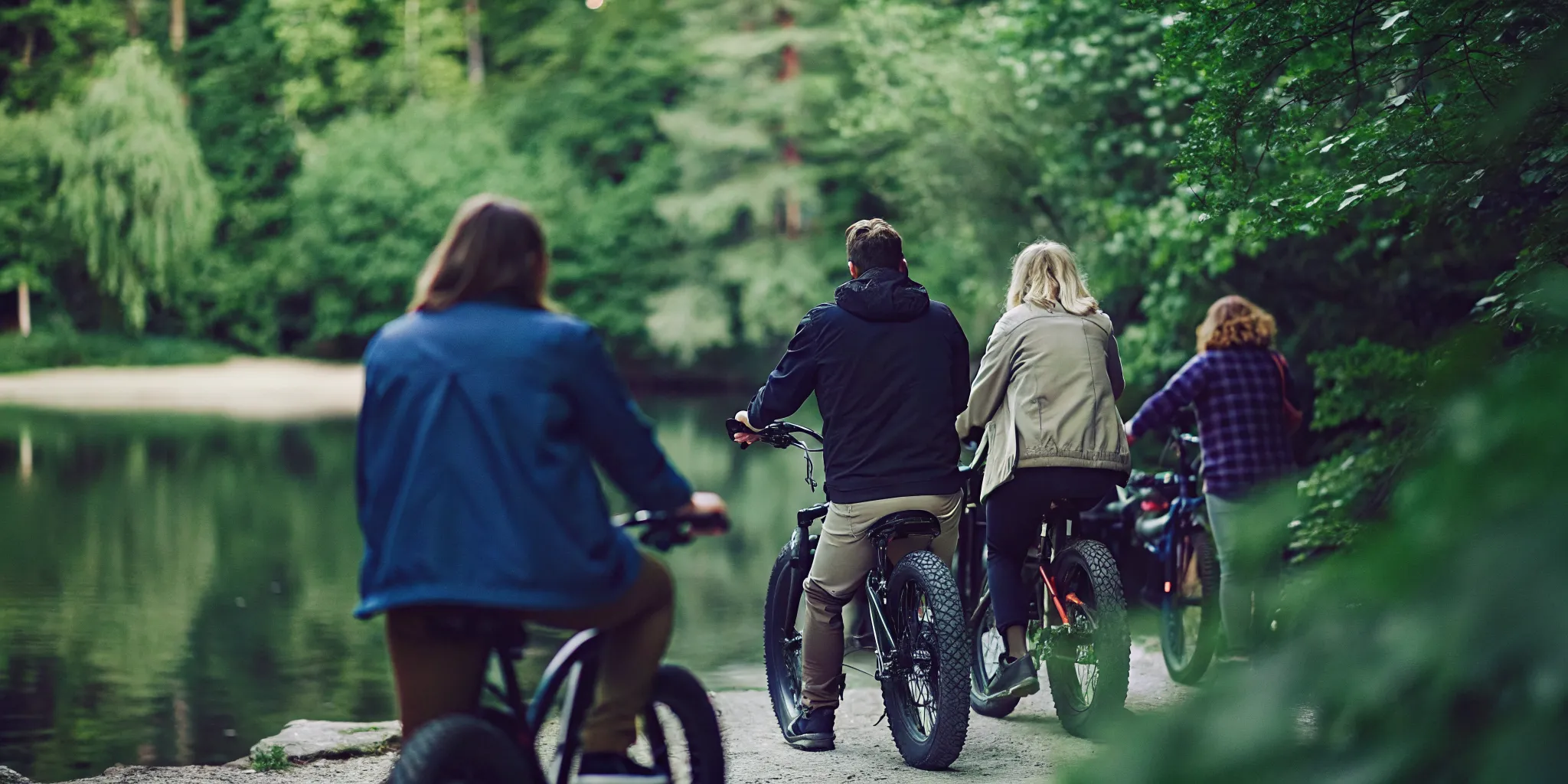
The guided eBike Adventure Tour covers approximately 27 kilometres over 2.5 hours, taking guests through the full sweep of the Whistler Valley. The river of golden dreams whistler experience is woven into the tour as one of its defining segments. Offering a perspective on the waterway that paddlers never get from a canoe.
The guided eBike Adventure Tour covers approximately 27 kilometres over 2.5 hours. It takes guests through the full sweep of the Whistler Valley’s natural and cultural landmarks. The river of golden dreams whistler experience is woven into the tour as one of its defining segments. Offering a perspective on the waterway that paddlers never get from a canoe.
Departure and first stops
The tour departs from the Whistler Racquet Club, where guests receive a safety briefing and get fitted to their premium class 1 pedal-assist fat tire eBikes. Within minutes the group is gliding south along the Valley Trail past the first of three glacier-fed alpine lakes. The electric assist makes the ride feel effortless. The first major stop comes at Alta Lake, the southern starting point of the River of Golden Dreams. Guides point out where the river begins its meandering journey north toward Green Lake. Our Alta Lake eBike guide offers more detail on this stunning alpine lake.
Along the river corridor
From Alta Lake, the trail follows the river’s course through dense cedar stands and open wetlands. This section is where wildlife sightings are most common. The trail stays on elevated ground above the river, giving riders a vantage point over the water and the surrounding floodplain. The group stops at several viewpoints to photograph the river’s distinctive golden-hued reflections, the lily pads dotting its surface, and the mountain peaks above the treeline. The tour also passes an active bear den site, 500-year-old ancient cedar stands, and beaver lodges along the riverbanks.
Midway cafe stop
About halfway through the tour the group stops at a local favourite cafe for coffee, tea, or a treat. This relaxed break lets guests refuel and chat with their guide about Whistler’s history and ecology. The cafe is a beloved local spot that embodies the friendly character of Whistler.
Final stretch to Rainbow Park
After the cafe stop, the tour continues along the river toward Rainbow Park. This park sits at the historic site of the original Rainbow Lodge. Which was built in 1914 by Alex and Myrtle Philip as a “wee fishing lodge for lovers.” The park is now one of Whistler’s most popular lakeside recreation areas with a sandy beach. Swimming dock, and panoramic views of Alta Lake. The tour route passes through bird sanctuaries, past the seaplane harbour, and alongside the final stretches of the river before reaching the park. The complete loop returns guests to the starting point at the Racquet Club, having covered more ground than any paddle trip could manage. For a seasonal perspective, see our guide to Green Lake Whistler Bike Tour and Sustainable Travel in Whistler by eBike.
”
When Is the Best Time to Explore the River of Golden Dreams?
The best time to explore the River of Golden Dreams is between May and October. With the 5pm tour offering the famous golden sunset reflections and the 9am tour providing prime wildlife viewing opportunities. Shoulder months of May, September, and October offer fewer crowds and cooler temperatures.
Planning your trip at the right time helps you see the best of the river valley. The river of golden dreams whistler is a top spot for nature lovers. You can book a guided eBike Adventure Tour from May through October each year. This six-month window offers many ways to see the local wildlife and scenic views. For a detailed seasonal breakdown, read our Best Time for an eBike Tour in Whistler guide.
Golden hour and daily tour times
Daily tour times play a big role in what you see. The 5pm tour is a local choice because of the light. This late-day trip offers the best chance to see the golden reflections that give the river its name. The low sun hits the water to create a warm, bright glow across the valley. It is a prime time for taking photos of the glacier-fed lakes and the tall cedar stands.
If you want to see animals, the 9am tour is your best bet. Many birds and forest animals are most active in the cool morning air. You might spot beavers near their lodges or eagles fishing in the river. Each 2.5-hour eBike Adventure Tour leaves three times a day at 9am, 1pm, and 5pm. These set times make it easy to fit a ride into your Whistler holiday plans.
Peak season versus shoulder months
Whistler sees about 3 million visitors every year. More than half come during the peak summer months of June through August when the weather is warmest and the trails are driest. While this is the busiest time, the fat tire eBikes allow riders to reach quiet spots along the water with ease.
For a quieter experience, try the shoulder months of May, September, or October. These months offer cooler air and fewer people on the trails. In the spring you can see the high water from melting snow. In the fall the leaves change colour and the air stays crisp. Since 55 percent of visitors arrive in summer, the shoulder months provide a more relaxed pace for those who want to avoid the largest crowds. Our Shoulder Season eBike Guide has more tips for spring and fall visits.
Seasonal weather and wildlife safety
The weather in the mountains can change fast, so checking the forecast before your trip is always wise. Most summer days are clear and sunny, but a light jacket is a good idea for morning or evening rides. Your guide will lead the group past known bear dens and help keep everyone safe while watching wildlife from a distance. The guide team’s deep knowledge of animal behaviour and habitat means you see more wildlife while maintaining a safe and respectful distance. For more on staying comfortable, see our What to Wear on a Whistler eBike Tour guide.
”
Frequently Asked Questions About the River of Golden Dreams
How long is the River of Golden Dreams in Whistler?
The River of Golden Dreams meanders approximately five kilometres from Alta Lake to Green Lake. While the straight-line distance between the two lakes is only three kilometres, the river winds through wetlands. Cedar forests, and wildlife habitat, creating a rich ecosystem corridor through the heart of the Whistler Valley.
Can you see the River of Golden Dreams on the eBike Adventure Tour?
Yes. The guided eBike Adventure Tour follows alongside the River of Golden Dreams for a significant portion of the route. The Valley Trail runs parallel to the river corridor, giving riders elevated views of the water, wetlands, and wildlife without the need for a canoe or kayak. The tour also passes the historic Rainbow Park site at the river’s end.
Why is it called the River of Golden Dreams?
The river was named after the popular 1920s song “Down the River of Golden Dreams,” which was a hit during the heyday of Whistler’s Rainbow Lodge. The golden reflections of sunset on the river’s gentle current are said to have inspired the name. And the water still glows with golden light during the late afternoon hours.
What wildlife lives along the River of Golden Dreams?
The river corridor supports black bears, beavers, bald eagles, osprey, great blue herons, otters, deer, raccoons, and many species of waterfowl. The wetlands and old-growth cedar forests along the banks provide habitat for fish, amphibians, and songbirds. Guides on the eBike Adventure Tour point out wildlife signs and choose the best timing for sightings.
Is the eBike tour along the River of Golden Dreams suitable for beginners?
Absolutely. The class 1 pedal-assist eBikes make the ride accessible to guests aged 12 and up, with no previous cycling experience needed. The Valley Trail is mostly flat and paved, and guides adjust the pace to suit the group. Guests often describe the experience as feeling like “the bike does 90 percent of the work.” The tour is suitable for mixed-fitness groups. Families, seniors, and anyone who wants to enjoy Whistler’s scenery without strenuous effort. For family-specific tips, read our guide to Things to Do in Whistler with Teenagers.
How does the eBike tour compare to canoeing the river?
The eBike Adventure Tour covers 27 kilometres across the full valley, compared to the five-kilometre river paddle. The paved Valley Trail is never affected by water levels or beaver dams, and riders get elevated views of the river corridor that canoeists cannot access. The tour also includes three alpine lakes, ancient cedar stands, and a midway cafe stop that paddling trips do not offer.
”
Ready to Experience the River of Golden Dreams by eBike?
Discover the magic of the River of Golden Dreams the easy way on a guided fat tire eBike Adventure Tour with Whistler Electric Bike Tours. Our expert local guides will lead you along the river corridor, through ancient cedar stands. Past active wildlife habitat, and into the heart of Whistler Valley’s most stunning scenery. The tour covers 27 kilometres of pristine wilderness in just 2.5 hours, with no experience required and all equipment provided. The experience is also suitable for multi-generational groups looking for a shared outdoor adventure in Whistler. Book online to reserve your spot and experience the river of golden dreams whistler like never before.