
8 Best Whistler Bike Trails for Epic Views
As a long-time local, I can tell you that Whistler’s beauty runs deep, far beyond the main village stroll. The real magic is found out on the trails, in the quiet moments overlooking a valley or beside a still, emerald lake. But with over 45 kilometers of paved paths and countless singletrack routes, knowing where to start can be tough. You could spend your whole trip trying to find the perfect spot. That’s why I’ve put together my insider list of the best Whistler bike trails for views. These are the tried-and-true routes that locals love and visitors dream about, guaranteeing you’ll see the most spectacular side of Whistler without any guesswork.
Key Takeaways
- Discover a variety of stunning landscapes: Whistler’s trails guide you through an incredible mix of scenery, from the turquoise water of glacier-fed lakes to dense, old-growth forests, all set against a backdrop of dramatic mountain peaks.
- Find a ride that fits your comfort level: The trail system uses a simple rating system (green, blue, black) to help you choose your adventure. Start on a gentle green path like the Valley Trail to enjoy the views without the technical challenge.
- Prepare for the best experience: Check the weather forecast for a sunny day, pack layers for changing mountain conditions, and give yourself plenty of time to stop at scenic lookouts to truly appreciate the views.
What Makes Whistler’s Bike Trails So Scenic?
Whistler isn’t just a world-class biking destination; it’s a full-sensory experience where every turn reveals a new, postcard-worthy view. What makes the scenery so special is its incredible diversity. One moment you’re cruising alongside a lake so blue it looks unreal, and the next you’re surrounded by ancient forests or gazing up at jagged, snow-dusted peaks. It’s this constant change in landscape that makes every ride feel like a true adventure.
The trails here are designed to immerse you in nature, not just pass through it. They follow the natural contours of the land, leading you to hidden viewpoints and quiet spots you’d never find otherwise. Whether you’re on a gentle path through the valley or a more challenging alpine route, the backdrop is always spectacular. Our guided eBike tours are curated to show you the best of this scenery, letting you soak it all in without worrying about navigation. It’s the perfect blend of gentle exercise and breathtaking beauty.
Alpine Lakes and Glacier-Fed Waters
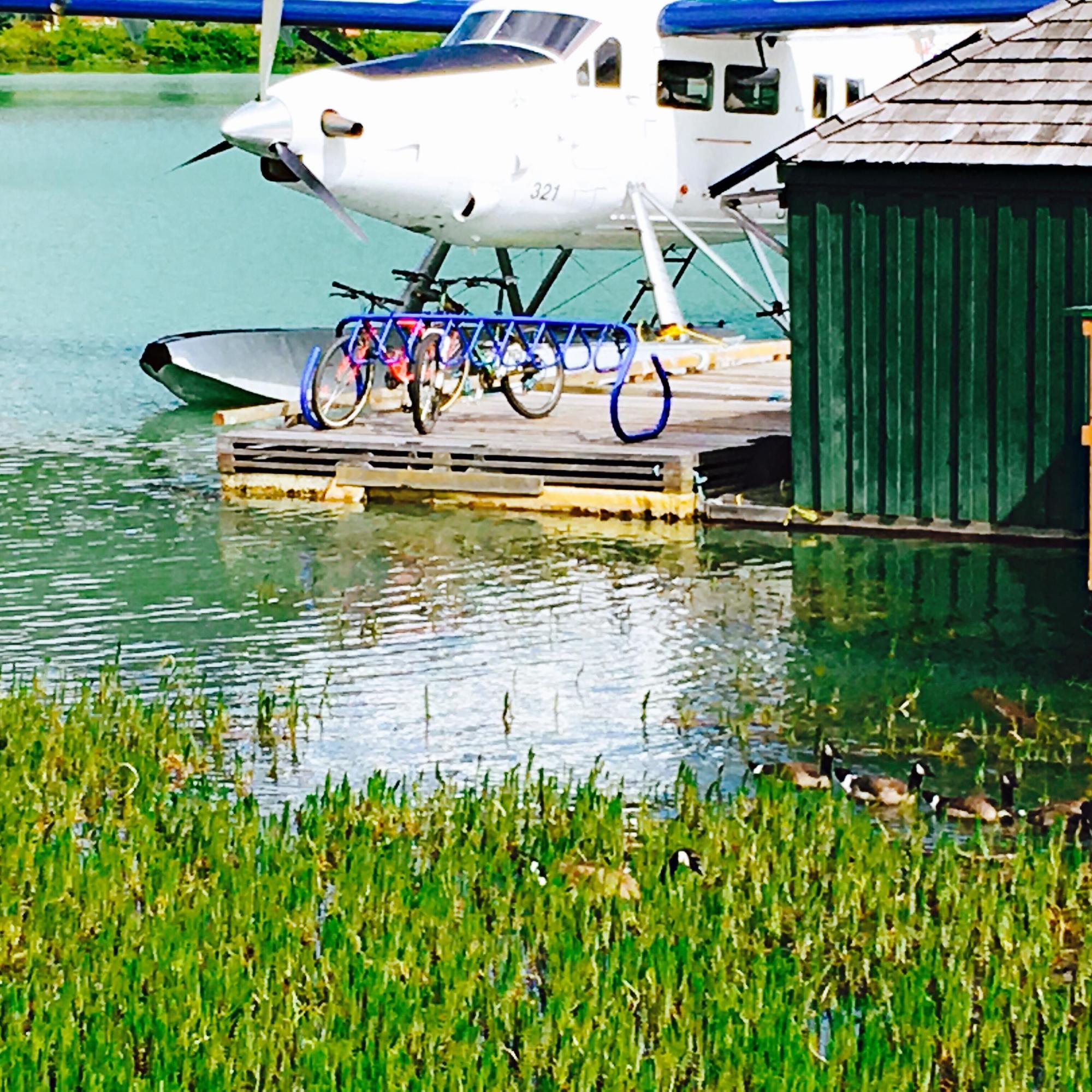
One of the most stunning features of Whistler’s landscape is its collection of vibrant, glacier-fed lakes. As you ride, you’ll catch glimpses of water in brilliant shades of turquoise and emerald, colored by fine rock particles from melting glaciers. Trails often hug the shorelines of lakes like Lost Lake and Green Lake, offering refreshing breezes and countless photo opportunities. The crisp, cool air coming off the water is the perfect companion on a warm day. These serene bodies of water provide a beautiful contrast to the rugged mountains surrounding them, creating a sense of peace and wonder that’s hard to find anywhere else.
Mountain Vistas and Peak Panoramas
The sheer scale of the mountains in Whistler is something you have to see to believe. The trails offer incredible mountain scenery, with 360-degree views that stretch across volcanic landscapes and towering peaks. You’ll feel small in the best way possible as you pedal beneath the iconic Whistler and Blackcomb Mountains. Even from the valley floor, the panoramas are breathtaking, with trails opening up to wide vistas that showcase the entire Fitzsimmons Range. It’s this constant presence of majestic peaks that makes every ride feel epic, reminding you just how wild and beautiful this place truly is.
Forest Canopies and Wildlife Habitats
Riding through Whistler’s forests is like entering another world. You’ll find yourself surrounded by towering cedar and fir trees, with sunlight filtering through the dense canopy above. These lush, temperate rainforests are not only beautiful but also teeming with life. The trails wind through prime wildlife habitats, so it’s not uncommon to spot some of the local residents. Keep your eyes open for black bears munching on berries, curious deer, and a variety of birds. Seeing Whistler’s wildlife in its natural environment from a safe distance is a truly unforgettable part of the experience.
The Best Whistler Bike Trails for Unforgettable Views
Whistler is a paradise for bikers, and the views are a huge part of the magic. Whether you’re looking for a gentle cruise around a lake or a challenging climb to an alpine vista, there’s a trail with your name on it. We’ve gathered some of the most scenic routes that show off the best of Whistler’s natural beauty. From paved pathways perfect for an e-bike to technical singletrack, these are the trails that will have you stopping every few minutes just to soak it all in.
Valley Trail System
The Valley Trail is the heart of Whistler’s cycling network. This incredible system of over 45 kilometers of paved trails connects all of Whistler’s neighborhoods, lakes, and parks. It’s the perfect way to explore the valley at a relaxed pace, with stunning views of the mountains, forests, and glacier-fed rivers around every corner. Because it’s mostly flat with a few gentle hills, it’s ideal for families and riders of all abilities. You can easily spend a whole day hopping between places like Alta Lake and Green Lake. It’s the most accessible way to see the best of the valley, which is why our guided bike tours use these paths to help you experience the scenery.
Lost Lake Loop
If you’re looking for a classic Whistler experience that’s close to the village, the Lost Lake Loop is a must-do. This wide, gravel trail circles the beautiful Lost Lake, offering picture-perfect views of the water against the backdrop of Whistler and Blackcomb Mountains. The loop is relatively flat and just under six kilometers, making it a fantastic option for a quick, scenic ride. The surrounding park has a whole network of other trails, so you can easily extend your adventure if you feel like it. In the summer, the lake is a popular swimming spot, so pack your swimsuit and make a day of it. It’s a true local’s favorite for a reason.
River of Golden Dreams
This trail offers a truly enchanting ride alongside one of Whistler’s most iconic waterways. The River of Golden Dreams is a slow-moving river that meanders from Alta Lake to Green Lake, and the trail that follows it is just as peaceful. You’ll pedal through lush, dense coastal rainforest, with the sound of the water beside you and glimpses of the mountains through the trees. It’s a relatively easy ride that feels like a total escape from the hustle and bustle. This area is also a prime habitat for local wildlife, so keep your eyes peeled for birds, beavers, and maybe even a bear. It’s a serene journey that showcases the quieter side of Whistler’s beauty.
Green Lake Loop
For some of the most dramatic views in the valley, head to the Green Lake Loop. This trail takes you around the perimeter of the stunning, emerald-colored Green Lake, the largest lake in Whistler. The vibrant, milky turquoise water is fed by glaciers, and on a sunny day, the color is absolutely breathtaking. You’ll get panoramic views of the surrounding peaks, including the impressive Wedge Mountain and the Armchair Glacier. The trail is part of the Valley Trail system, so it’s paved and well-maintained, making it a great choice for a leisurely e-bike cruise. It’s a ride that delivers big on scenery without requiring a huge effort.
Top of the World Trail
For those seeking an epic, high-alpine adventure, the Top of the World Trail is legendary. Accessible via the Peak Chair on Whistler Mountain, this trail starts above the treeline at over 2,100 meters. The experience begins with jaw-dropping, 360-degree views of the surrounding Coast Mountains and the iconic Black Tusk. The trail itself is a thrilling descent that takes you through rocky alpine terrain, flowy singletrack, and deep forests before connecting back to the main bike park. It’s a challenging black diamond trail for advanced riders, but the views are truly unmatched. You’ll feel like you’re riding on top of the world, because you pretty much are.
Comfortably Numb
Considered one of Whistler’s most demanding cross-country trails, Comfortably Numb is a ride that will test your endurance and technical skills. This 24-kilometer trail winds its way through old-growth forests, across rocky sections, and over countless roots and bridges. It’s a challenging climb and a technical descent, but the rewards are immense. You’ll be treated to stunning views of the Cheakamus River and the surrounding peaks from viewpoints that few people get to see. This trail isn’t for the faint of heart; it’s a true backcountry epic for experienced mountain bikers looking for a serious challenge and a deep dive into Whistler’s rugged landscape.
Lord of the Squirrels
This trail is a modern Whistler classic and a favorite among locals. Lord of the Squirrels is a unique climbing trail that takes you from the valley floor all the way up into the alpine on Sproatt Mountain. The climb is long but thoughtfully built, with a manageable grade that makes the 1,400 meters of elevation gain achievable. Once you reach the top, you’re rewarded with incredible views back towards Whistler and Blackcomb Mountains. The descent, known as Into the Mystic, is a fast and flowy masterpiece. It’s a huge day on the bike, but the combination of a rewarding climb, stunning alpine scenery, and a world-class descent makes it an unforgettable experience.
Blackcomb Mountain Trails
While Whistler Mountain gets a lot of the bike park fame, Blackcomb Mountain offers its own set of incredible trails with a distinctly different feel. The trails here are often described as more raw and rugged, weaving through the stunning alpine environment. You can expect challenging, technical terrain with plenty of rock slabs and steep sections. The views from Blackcomb are spectacular, offering a unique perspective of Whistler Mountain and the surrounding peaks. With fewer crowds, it can feel like you have the whole mountain to yourself. It’s the perfect choice for advanced riders looking to explore some of the area’s most demanding and scenic terrain.
What Skill Level Do You Need?
Whistler’s trail network is legendary for a reason. It offers something for everyone, from first-timers on a gentle cruise to seasoned pros seeking a serious challenge. The key is knowing how to read the trail ratings so you can find the right fit for your comfort and skill level. The trails are typically marked with symbols similar to ski runs: green circles for the easiest, blue squares for intermediate, black diamonds for advanced, and double black diamonds for experts. This system helps you gauge what to expect before you even start pedaling.
Understanding these ratings before you head out is crucial for having a great time and staying safe. If you’re new to the area or to mountain biking, starting on a green trail is the best way to get a feel for the terrain without feeling overwhelmed. As you build confidence, you can progress to the more challenging blue and black trails. It’s always better to start easy and work your way up than to find yourself on a trail that’s beyond your ability. And if you’re not sure where to start, joining one of our guided e-bike tours is a perfect way to explore the valley with an expert who knows the trails inside and out.
Green Trails for Beginners
If you’re new to biking or riding with family, green trails are your perfect starting point. These trails are designed to be fun and accessible, with gentle slopes and smooth, wide paths that let you focus on the scenery instead of the terrain. Think of them as a scenic walk in the park, but on two wheels. Great options to check out include the mellow ‘EZ Does It’ trail or the beautiful network of Lost Lake Trails. An electric bike makes these routes even more enjoyable, giving you a little assistance on any inclines so you can save your energy for soaking in the views.
Blue Trails for Intermediate Riders
Ready for the next step? Blue trails introduce more variety and challenge, making them ideal for riders who are confident on green trails. You can expect moderately steep sections, smaller obstacles like roots and rocks, and tighter turns. These trails require more bike handling skills but reward you with a greater sense of accomplishment. For a classic Whistler blue experience, try a flowy trail like ‘Crank It Up’ to practice your cornering, or test your technical skills on ‘Karate Monkey’. These trails are a fantastic way to progress your riding while still enjoying some incredible forest scenery.
Black Diamond Trails for Advanced Riders
Black diamond trails are for experienced mountain bikers who are comfortable with significant technical challenges. These routes feature steep descents, large drops, jumps, and complex rock sections that demand commitment and precise control. Before tackling a black diamond, you should be very confident on blue trails. A-Line is one of Whistler’s most famous black diamond jump trails, but you’ll want to be sure you can handle the jumps on a trail like ‘C-More’ first. These trails are a serious undertaking, but for skilled riders, they offer an unmatched thrill and access to some of the park’s most rugged terrain.
Double Black Diamond and Proline for Experts
Reserved for the most skilled and daring riders, double black diamond and proline trails represent the pinnacle of Whistler’s bike park. These are the trails you see in mountain bike films, featuring massive jumps, mandatory gaps, and extremely steep, technical terrain. ‘Dirt Merchant’ is a step up from ‘A-Line’, with even bigger features for expert jumpers. For a different kind of expert challenge, the ‘Top of the World’ trail is an alpine epic that descends through three distinct natural zones with breathtaking views. These trails are not for the faint of heart and require an expert level of skill and confidence.
What Landscapes Will You See?
Whistler’s trail network offers an incredible variety of scenery, taking you from serene, glacier-fed lakes on the valley floor to breathtaking alpine peaks. The landscape changes with every pedal stroke and every foot of elevation gained. One moment you can be cruising through a quiet, mossy forest, and the next you might find yourself looking out over a sweeping panorama of mountain ranges. This diversity is what makes biking here so special. Whether you’re on a gentle lakeside path or a challenging mountain descent, you’re surrounded by stunning natural beauty. The trails are designed to showcase the best of the Coast Mountains, giving you a front-row seat to some of the most spectacular terrain in British Columbia.
Panoramic Views from Over 7,000 Feet
For a truly top-of-the-world feeling, nothing beats the views from Whistler’s high alpine. Trails accessed from the Peak Chairlift, like the famous Top of the World trail, start above 7,000 feet and offer incredible 360-degree vistas of jagged peaks and turquoise lakes. While these routes are typically for advanced riders, the experience of a 5,000-foot descent with that kind of backdrop is unforgettable. The air is thin, the landscape is rugged and raw, and you feel completely immersed in the mountains. It’s a perspective that few get to see, making the effort to get there well worth it for those with the skills.
Dense Forests and Alpine Meadows
Many of Whistler’s trails wind through enchanting coastal rainforests. Imagine riding on soft, loamy dirt under a canopy of ancient cedar and fir trees, with streams trickling nearby and sunlight filtering through the leaves. These forest trails offer a sense of tranquility and a cool escape on warm summer days. As you climb higher, the dense woods often give way to open alpine meadows, which burst with colorful wildflowers from July to August. Trails on Blackcomb Mountain are especially known for their rugged, technical paths that cut through beautiful, less-crowded forested areas.
Technical Rock Features and Natural Terrain
Whistler is famous for its expertly crafted trails that work with the natural landscape. This means you’ll encounter incredible rock features, from massive granite slabs to technical, rocky descents that test your skills. The Whistler Mountain Bike Park is a masterclass in trail building, with features that feel both natural and intentionally fun. You’ll also find plenty of root-filled sections that weave through the trees, demanding focus and precision. These elements aren’t just obstacles; they are part of the scenic character of the trails, showcasing the raw, powerful geology of the region.
Lush Forests and Wildlife Viewing
The lower valley trails are full of life. Here, the forests are incredibly lush and green, and the paths often run alongside vibrant rivers and lakes. This is also the best place for wildlife spotting. It’s common to see black bears munching on berries on the side of a trail or deer grazing in a clearing. The Whistler Village Gondola even offers a great vantage point for wildlife viewing as you ascend the mountain. Just remember to always keep a safe distance and never feed the animals.
When Is the Best Time to Ride?
Timing your Whistler biking adventure can make all the difference. While the bike season generally runs from May to October, the “best” time really depends on what you’re looking for. Are you dreaming of long, sun-drenched days and vibrant summer energy? Or do you prefer crisp air, quieter trails, and a touch of autumn gold? Each part of the season offers a unique experience.
Peak summer brings incredible weather and access to the highest alpine trails, but it also means more people sharing the paths. The shoulder seasons, like late spring and early fall, offer a more relaxed pace with excellent riding conditions. Understanding the nuances of Whistler’s seasons will help you plan the perfect trip. Whether you’re hoping to ride from dawn until dusk or find that perfect, crowd-free moment, we’ll walk you through the key things to consider. Let’s find the ideal time for your ride.
The September Sweet Spot
If you ask a local, many will tell you that September is the ultimate time to ride in Whistler. The summer crowds have thinned out, but the weather is often still warm and sunny. The trails are in prime condition, as they’ve had a chance to settle after the heavy use of July and August. You get all the benefits of summer riding with a more peaceful, laid-back vibe. Plus, the first hints of fall color start to appear in the trees, adding an extra layer of beauty to the already stunning landscapes. It’s a fantastic month for a relaxed and scenic e-bike tour.
Riding in Peak Summer
From June through August, Whistler is buzzing with energy. This is peak season for a reason: the days are long, the weather is typically fantastic, and everything is open. You can expect trails to be open from morning until evening, giving you plenty of time to explore. It’s the perfect time to soak up the classic Whistler summer experience. Because this is the most popular time to visit, it’s a good idea to book your guided bike tours in advance to make sure you get a spot. Embrace the vibrant atmosphere and enjoy those endless summer days on two wheels.
Understanding Peak Zone Access
If your Whistler dreams include riding through breathtaking high-alpine terrain, you’ll want to plan your trip for mid-summer. The “Peak Zone,” which includes iconic trails like Top of the World in the Whistler Bike Park, has a very short season. It’s typically only open from early July to early September, when the snow has fully melted from the highest elevations. Access to these trails often requires a specific lift ticket add-on. While our e-bike tours stick to the stunning valley trails, it’s helpful to know about this if you plan to explore the bike park during your visit.
Checking the Weather Forecast
Whistler’s mountain weather can be unpredictable, so checking the forecast before you ride is a must. A sunny day will give you the best chance for those crystal-clear, panoramic views that make the trails here so famous. Look for a forecast with clear skies and low wind for the most comfortable ride. Conditions can change quickly, so it’s always wise to dress in layers, even if it looks like a perfect day. A quick check of a reliable Whistler weather forecast will help you prepare properly and make the most of your time on the trails.
How to Make the Most of the Views
Whistler’s trails offer incredible scenery around every corner, but with a little planning, you can turn a great ride into an unforgettable one. It’s not just about which trail you choose; it’s about how you experience it. Paying attention to the weather, giving yourself time to pause, and knowing the best time of day to ride can make all the difference. These simple tips will help you soak in every stunning vista and capture photos you’ll cherish long after your trip is over. Let’s get into how you can frame your adventure for the best possible views.
Choose Sunny Days for the Clearest Skies
This might seem obvious, but it’s the most important tip for a reason. A bluebird day in Whistler is truly magical. When the sun is out, the glacier-fed lakes sparkle with an intense turquoise hue, and the mountain peaks stand out sharply against the sky. On a cloudy or foggy day, those same epic views can be completely hidden. Before you head out, be sure to check a reliable Whistler weather forecast. Planning your ride for a sunny day ensures you get the full, breathtaking impact of the landscape and photos that truly capture the beauty of the valley. It’s worth waiting for a clear day if your schedule allows.
Take Breaks at Scenic Viewpoints
It’s easy to get caught up in the fun of the ride, but don’t forget to stop and smell the cedars. The best views often reveal themselves when you pause. Many trails have designated lookouts, but some of the most stunning spots are simply quiet corners with a perfect vantage point. Our guided e-bike tours are designed with this in mind, building in plenty of time for photo ops and moments of awe. Don’t rush the descents or the climbs. Give yourself permission to pull over, catch your breath, and really absorb the incredible scenery surrounding you. These are the moments that make the experience truly memorable.
Time Your Ride for the Best Light
For those who love photography, timing is everything. The light during the “golden hours,” shortly after sunrise and before sunset, casts a warm, soft glow over the mountains that makes everything look even more spectacular. If you’re not an early bird or a night owl, consider the season. September is a fantastic time to ride in Whistler. The summer crowds have thinned, the air is crisp, and the trails are often in their best condition after a full season of use. The lower angle of the autumn sun can also create beautiful light and long shadows, adding depth and drama to your photos and your ride.
Quick Photography Tips
You don’t need a fancy camera to capture Whistler’s beauty; your smartphone will do just fine. The key is to be prepared. Keep your phone in an accessible pocket so you can grab it quickly for a wildlife sighting or a fleeting moment of perfect light. Before you lose reception, download a trail map app like Trailforks for offline use. This is not only great for navigation but also helps you find marked viewpoints. Experiment with different modes, like panorama for sweeping mountain vistas, and try shooting from a low angle to make the landscape feel even grander. And remember, sometimes the best photo is the one you take with your mind, so don’t forget to put the phone away and just look.
What to Pack for Your Scenic Ride
A little preparation goes a long way in making a great day on the trails an absolutely perfect one. While our guides handle the major safety equipment and navigation, packing a few personal items will keep you comfortable, hydrated, and ready to capture every moment. Think of it as packing your daypack for a fun adventure, where we take care of the heavy lifting. Before you join one of our bike tours, run through this checklist to make sure you have everything you need for a fantastic ride through Whistler’s stunning landscapes. From the right clothing to the best apps, here’s what we recommend bringing along.
Camera and Photo Gear
You’re going to see some incredible sights, and you’ll definitely want to remember them. Whether you bring a DSLR or just use your smartphone, make sure it’s fully charged. The views from some of Whistler’s high points are breathtaking, and you’ll want to stop to take pictures. Our guides know all the best lookout points and will happily play photographer for you and your group. A small, lightweight tripod can also be great for crisp landscape shots or group photos with a timer. Don’t forget to clear some storage space on your device beforehand; you’ll be surprised how many photos you end up taking.
Weather-Appropriate Layers
Whistler’s mountain weather can change in a heartbeat. A sunny start can turn into a cool, breezy afternoon, especially as you gain elevation. We always recommend dressing in layers. Start with a moisture-wicking base layer, add a fleece or light jacket, and top it off with a windproof or waterproof shell. It’s much easier to take a layer off and stash it in a pack than to wish you had brought one. Even on the warmest summer days, it can be chilly at higher altitudes, so an extra layer is never a bad idea. Check the Whistler weather forecast before you head out, but always prepare for shifting conditions.
Trail Apps and Offline Maps
While your guide will lead the way, it can be fun to follow along and see your route. Apps like Trailforks are fantastic for visualizing the trail network. We suggest downloading the Whistler area map for offline use before you arrive, as cell service can be unreliable in certain parts of the valley. This way, you can see exactly where you are, track your mileage, and even find the names of the stunning peaks surrounding you. It’s a great way to get a deeper appreciation for the incredible terrain you’re exploring and maybe even plan your next adventure.
Mountain Safety Equipment
Your personal comfort and safety are top priorities. While our guides are equipped with first-aid kits and bike repair tools, you should bring a small daypack with your own essentials. This includes a full water bottle, some high-energy snacks like granola bars or trail mix, and sunscreen. Sunglasses are a must for protecting your eyes from sun and dust. It’s also wise to pack any personal medications you might need. A small personal first-aid kit with band-aids and blister treatment is also a smart addition for any minor scrapes you might get while exploring on foot at a viewpoint.
How to Plan Your Biking Adventure
A little planning goes a long way in making your Whistler biking trip smooth and memorable. Thinking through the logistics beforehand means you can spend less time figuring things out and more time soaking in those incredible views from the trail. From where to park to whether a guided tour is right for you, here’s how to get your adventure organized.
Find Parking and Trailheads
Whistler Village is designed to be pedestrian-friendly, which means parking can sometimes be a puzzle, especially during peak season. Most of the main trail networks have designated parking lots, but they can fill up quickly. Your best bet is to arrive early or consider staying somewhere within biking distance of the trailheads. Whistler has great options for every budget, from social spots like the Pangea Pod Hotel to campgrounds like Riverside Resort, which puts you right next to the Valley Trail. Once you’re here, you can easily find us to start your tour.
Plan Your Route with Trail Maps
Whistler’s trail network is massive, and while getting lost can sometimes be an adventure, it’s better to have a plan. Before you head out, get familiar with the area you want to explore. Using a trail app is the easiest way to do this. Apps like Trailforks are indispensable for seeing trail difficulty, elevation, and conditions in real-time. I highly recommend downloading offline maps of the Whistler area to your phone before you leave your hotel. Cell service can be unreliable once you get deeper into the mountains, and having a map that works without a signal is a true lifesaver.
Get Your Bike Park Tickets and Passes
If your heart is set on riding the world-famous Whistler Mountain Bike Park, you’ll need a lift ticket. These trails offer some of the most spectacular descents and views, but they aren’t free. You can buy passes for a single day or for multiple days, which offers a better value if you’re here for a while. Keep in mind that accessing the highest trails, like Top of the World, often requires a Peak Chair surcharge. You can check the official Whistler Blackcomb site for the most current pricing and to purchase passes online in advance.
Guided Tour or Go It Alone?
Deciding between exploring on your own or joining a tour depends on what you want from your day. Going it alone gives you total freedom to follow your curiosity. For those looking to seriously level up their skills, multi-day bike camps can be a fantastic, immersive experience. On the other hand, if you want to see the best spots without the stress of planning, a guided tour is the perfect solution. A local guide knows all the hidden gems and best photo ops, and they handle all the navigation. Our electric bike tours are designed to let you enjoy the scenery effortlessly, so you can focus on the fun, not the map.
Frequently Asked Questions
I’m not a serious mountain biker. Are there really trails for me in Whistler?
Absolutely. While Whistler is famous for its expert-level bike park, the heart of its scenic riding is the Valley Trail. This is a massive network of paved paths that are relatively flat and connect all the major lakes and viewpoints. It’s perfect for a relaxed cruise, and you don’t need any technical skills to enjoy it. Our tours stick to these beautiful, accessible paths, so you can focus on the incredible scenery without worrying about the terrain.
Why should I choose an electric bike for these scenic trails?
Think of an e-bike as your key to seeing more with less effort. The gentle electric assist takes the strain out of the small hills you’ll find along the valley, so you can save your energy for soaking in the views. It allows you to cover more ground than you might on a regular bike, meaning you can visit multiple lakes and viewpoints in a single trip without getting tired. It simply makes the whole experience more about enjoyment and exploration.
What’s the single best trail for amazing photos without a huge effort?
For the biggest scenic reward with the least amount of work, my top pick is the Green Lake Loop. The trail is part of the paved Valley Trail system, making it a smooth and easy ride. The color of the glacier-fed water is an unbelievable shade of turquoise, and you get stunning panoramic views of Blackcomb and Wedge Mountains. It’s a ride that truly delivers those postcard-perfect photos you came for.
How much time should I set aside for a scenic bike ride?
You can get a wonderful taste of Whistler’s beauty in just a couple of hours. A typical guided tour lasts around three hours, which is the perfect amount of time to see some of the best spots, take plenty of photos, and learn a bit about the area without feeling rushed. If you’re exploring on your own, you could easily spend a full day hopping between different lakes and parks along the Valley Trail.
Is it better to join a guided tour or explore the trails on my own?
It really depends on the experience you’re looking for. Exploring on your own offers complete freedom, but it also means you’re in charge of navigation, timing, and finding the best spots. A guided tour takes all the planning and guesswork out of the equation. A local guide knows the most scenic routes and the best photo locations, so you can simply relax and enjoy the ride, confident that you’re seeing the very best of the valley.