
Best Whistler Spring Activities: eBike Valley Trail Adventures
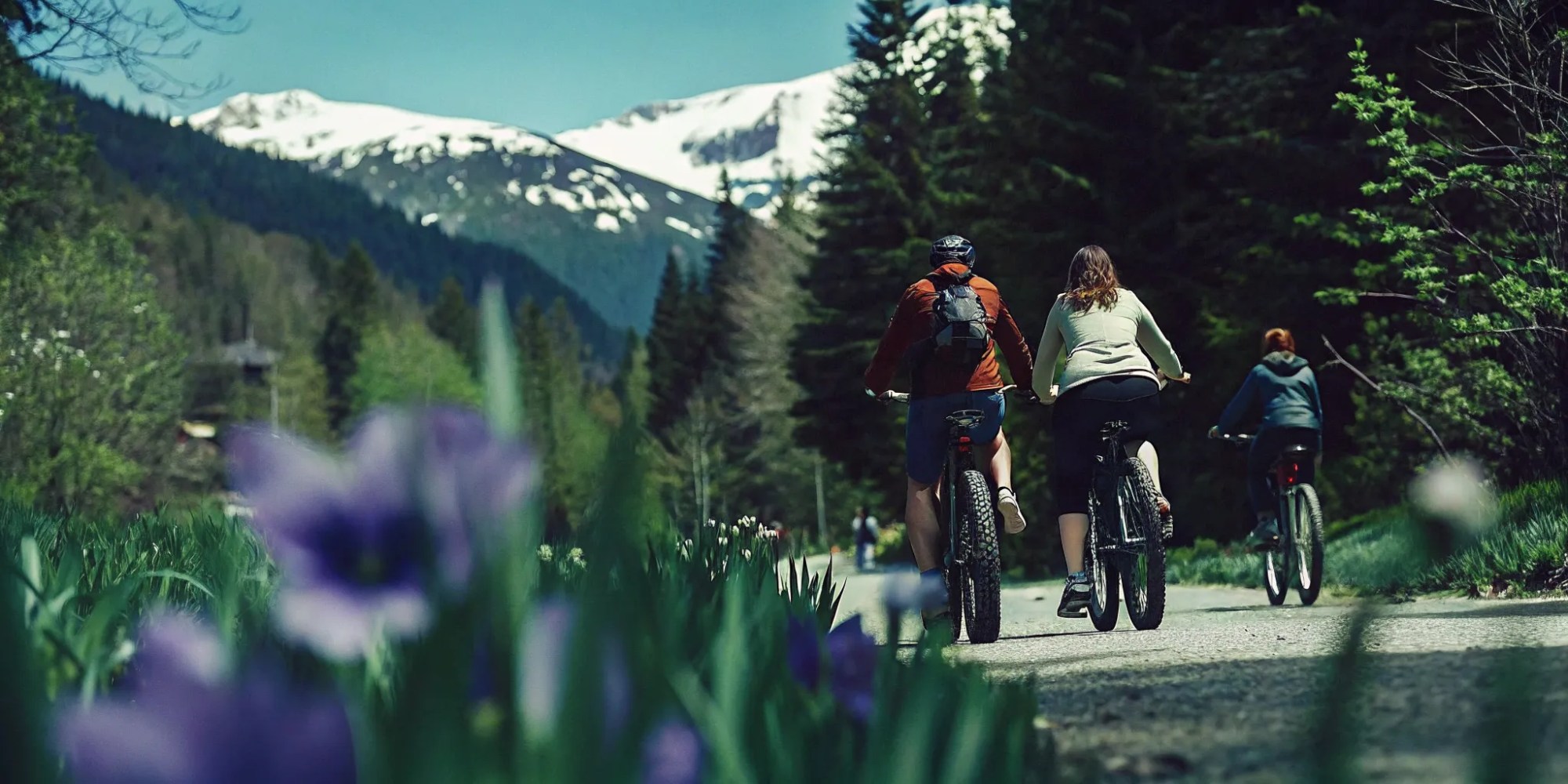
Spring changes Whistler at the valley floor first. As snowmelt begins to reveal the trails, lakes reflect the season’s brighter light, wildflowers start to appear, and wildlife becomes more active. The shoulder season also brings a quieter pace, making it easier to notice the landscape between busy summer and winter periods.
Among the best whistler spring activities is a guided Fat Tire eBike Adventure Tour, opening for the season in May and offering an easy, scenic way to follow the Valley Trail through spring’s changing scenery. Whistler’s spring season generally runs from April through June, with fewer crowds than peak periods and a valley that clears before the alpine.
That combination makes spring especially rewarding for visitors who want more than a quick viewpoint. The season’s cooler temperatures, fresh growth, and returning animal life give familiar routes a distinctly different character. Here is why a spring eBike Adventure can be one of the most memorable ways to experience Whistler.
Why Spring Activities on Whistler’s Valley Trail Stand Out
Spring gives Whistler a rare in-between rhythm. From April through June, the valley shifts from winter recreation toward biking, hiking, golf, and paddling, while snow can still linger in the alpine. That mix makes the season feel spacious and varied rather than tied to one type of holiday. For visitors researching spring activities in Whistler, the shoulder season offers a genuine alternative to the packed summer schedule and the snow-bound winter months.
More room to enjoy the valley
April through June is shoulder season, so visitors can often experience fewer crowds than during the busiest winter and summer periods. Accommodation may also be more competitive than at peak times, and restaurants are generally easier to book. For a group hoping to explore at a relaxed pace, that extra breathing room matters. You can spend more time noticing the landscape instead of navigating around busy trailheads or packed village areas.
The contrast with summer is especially noticeable. Summer brings warm-weather energy and full access to many outdoor activities, but it is also a peak travel period. Spring offers a quieter way to take in Whistler’s valley before the summer rush builds. Winter has its own appeal for skiing and snowboarding, yet snow conditions can limit valley cycling. Spring sits between those two seasons, opening another way to experience the destination.
Valley trails, alpine snow, and comfortable temperatures
Snow melts in the valley before it leaves the higher alpine areas, which means valley routes can become ready for biking while the mountains remain visibly wintery. This creates one of Whistler’s most distinctive spring scenes: clear or drying trails below, snow-covered peaks above. The Valley Trail network offers an inviting setting for seeing that seasonal transition at ground level.
Temperatures also become increasingly comfortable as spring progresses. Average temperatures range from 0-11 C in April, 4-18 C in May, and 7-20 C in June. May is often a particularly appealing middle ground, with enough warmth for a scenic ride and a refreshing feel in the valley air. A guided Whistler eBike adventure tour lets visitors enjoy the shoulder-season landscape without treating the ride as a race.
Spring vs summer vs winter for your visit
| Factor | Spring (Apr-Jun) | Summer (Jul-Aug) | Winter (Dec-Feb) |
|---|---|---|---|
| Crowds. | Fewer visitors, quieter trails. | Peak crowds, 20k-26k daily visitors. | Moderate to heavy, ski-focused. |
| Temperatures. | 0 C to 20 C depending on month. | Warm, often 20-30 C. | Cold, often below freezing. |
| Trail conditions. | Valley clear, alpine may have snow. | All trails open and dry. | Snow-covered valley trails. |
| eBike suitability. | Excellent on valley routes. | Excellent, all routes. | Not available (closed Nov-Apr). |
| Accommodation rates. | Competitive shoulder rates. | Highest prices of year. | High, especially holidays. |
| Wildlife viewing. | Bears emerging, birds returning, active animals. | Active but animals more dispersed. | Limited, many species hibernating. |
| Activity variety. | Biking, hiking, golf, limited skiing. | All outdoor activities. | Skiing, snowboarding, snowshoeing. |
For anyone looking to combine comfortable riding weather with lower prices and lighter crowds, spring provides the most balanced window. The Fat Tire eBike Adventure Tour operates from the start of the season in May, making spring the first opportunity each year to experience the Valley Trail by eBike.
Spring Wildlife You Might Spot on the Valley Trail
Spring brings a noticeable change to Whistler’s valley. As winter gives way to longer, warmer days, animal activity increases. Black bears emerge from hibernation, and hummingbirds return as the season unfolds. These seasonal changes are part of what makes a spring ride one of the most memorable whistler spring activities you can add to your itinerary.
Watch for bears as the valley wakes up
Bears are one of the wildlife highlights visitors may hear about during spring in Whistler. Their activity follows the seasons, and spring marks the time when they begin moving through the valley again after winter hibernation. Bears may even roam across local golf courses as the weather warms, so riders should stay observant when traveling through open green spaces.
A sighting is never guaranteed, and wildlife should always be watched from a respectful distance. On a guided Fat Tire eBike Adventure Tour, your guide can help you appreciate the landscape without turning the experience into a pursuit. The goal is responsible viewing: notice the signs of wildlife, listen to the local stories, and let animals move through their habitat undisturbed.
Look beyond the most noticeable animals
Bears are not the only spring residents worth watching for. Hummingbirds arrive as bird activity increases, adding quick flashes of movement around the valley’s natural areas. You may also pass habitats connected with beaver lodges and bird sanctuaries, along with the cedar stands, waterways, and wildlife areas that give the Valley Trail its distinct character.
The routes associated with Whistler Electric Bike Tours pass near features including bear dens, beaver lodges, and bird sanctuaries. These are places to slow down, look closely, and let the guide point out the details that are easy to miss from a car or busy walking path. A quiet approach supports an eco-conscious experience while giving every rider, from teens to older adults, a comfortable way to connect with Whistler’s spring environment.
What the Fat Tire eBike Adventure Tour Covers in Spring
Spring is an inviting time to experience Whistler beyond the busiest winter and summer periods. As valley trails dry and fewer people are using the paths, a guided ride creates space to notice the landscape changing around you. The Whistler eBike adventure tours cover approximately 23 to 27 kilometres over 2.5 hours, giving visitors a broad view of the valley without making the day feel rushed.
A scenic route through Whistler’s valley
The route connects the scenery that makes Whistler such a memorable place to explore. Riders pass through quiet cedar stands and wildlife habitats, with glacier-fed lakes adding dramatic mountain reflections along the way. The River of Golden Dreams is another scenic highlight, bringing the ride close to one of the valley’s distinctive waterways. Rather than seeing one attraction and returning the same way, the Adventure Tour offers a varied look at Whistler’s forests, water, and open valley spaces.
Designed for mixed-fitness groups
Fat Tire eBike Adventure Tours are suitable for many fitness levels, from teens to older adults. That makes the experience practical for families, couples, and groups whose members do not all have the same riding background. The electric assistance helps keep the focus on the surroundings and the shared experience, while the fat tire design suits an outdoor route that can change as spring progresses.
This is an eco-conscious way to explore Whistler without an intimidating physical demand. Guides add local perspective as the route moves through cedar stands, wildlife areas, lakes, and river scenery. Spring’s quieter paths can make those details easier to appreciate, whether you are visiting Whistler for the first time or looking for a fresh view of familiar places.
Tips for Planning Your Spring Whistler eBike Adventure
A little planning helps you make the most of Whistler’s shoulder season. Spring is a particularly good time to leave room in your itinerary rather than scheduling every hour in advance. Restaurant availability is generally better than during peak periods, and bookings can be easier to arrange, especially in May. That flexibility lets you plan your Fat Tire eBike Adventure Tour around the rest of your day instead of building the entire visit around hard-to-change reservations.
Build in time for local spring experiences
Spring dining is part of the appeal. Look for seasonal specials and patios that begin to welcome guests as afternoons grow warmer. A ride through Whistler’s valley can fit naturally alongside a relaxed meal, coffee stop, or another outdoor activity. The best spring plans balance well-known highlights with nature-forward experiences that feel local and memorable, from quiet valley scenery to the changing life around Whistler’s waterways and forested trails.
Dress for changing temperatures
Spring temperatures can vary significantly during a visit. Average temperatures range from 0 to 11 C in April, 4 to 18 C in May, and 7 to 20 C in June, so layers are the practical choice. Start with a comfortable base layer, add a warm mid-layer, and bring a light weather-resistant outer layer that can be removed as the day warms. Comfortable closed-toe footwear is also useful for an active outing. Check the forecast before leaving, particularly for an early or late-season visit.
Know what kind of bike to expect
These excursions use fat tire eBikes, not townie-style e-bikes. The equipment is part of a guided, nature-focused experience designed for Whistler’s varied valley terrain. If you are visiting with a mixed-fitness group or have questions about the ride, review what to expect on a Whistler eBike Adventure Tour before planning your day. In May, keeping your schedule flexible can make it easier to choose a comfortable riding window while still enjoying spring dining and the rest of Whistler’s seasonal activities.
Frequently Asked Questions
Is May a good time to visit Whistler?
Yes. May sits in Whistler’s shoulder season, when the valley is opening into spring and visitors can enjoy fewer crowds than during peak winter or summer. It is also one of the few times of year when a trip can combine activities such as biking, hiking, golf, paddling, and late-season skiing. May temperatures typically range from 4 C to 18 C, so bring layers for changing conditions.
What spring activities are available in Whistler?
Spring options include scenic Fat Tire eBike Adventure Tours on the valley trails, hiking, golf, paddling, and, while conditions allow, skiing. A guided eBike Adventure Tour is a relaxed way to explore cedar stands, river routes, alpine lakes, and wildlife habitats while the valley transitions out of winter.
Can you see wildlife on a spring eBike Adventure Tour?
Wildlife sightings are never guaranteed, but spring brings increased animal and bird activity. Bears emerge from hibernation, and hummingbirds arrive as the season progresses. Whistler Electric Bike Tours routes pass areas associated with bear dens, beaver lodges, and bird sanctuaries, giving you opportunities to observe nature respectfully from the trail.
What is the weather like in Whistler in spring?
Spring weather changes as the season advances. April is generally cooler, with temperatures around 0 C to 11 C, while May averages 4 C to 18 C and June warms to 7 C to 20 C. Valley snow melts before alpine areas, so conditions can differ across the region. Dress in adaptable layers and expect a mix of cool mornings, mild afternoons, and changing trail conditions.
Is Whistler worth visiting before peak season?
For visitors who prefer a quieter, nature-focused experience, spring is a strong choice. Shoulder-season travel can mean easier restaurant bookings, more flexible planning, and a closer look at the valley’s seasonal changes. A Fat Tire eBike Adventure Tour adds an accessible outdoor activity for mixed-fitness groups, from teens to older adults.