
Accessible Outdoor Activities Whistler Groups Can Enjoy
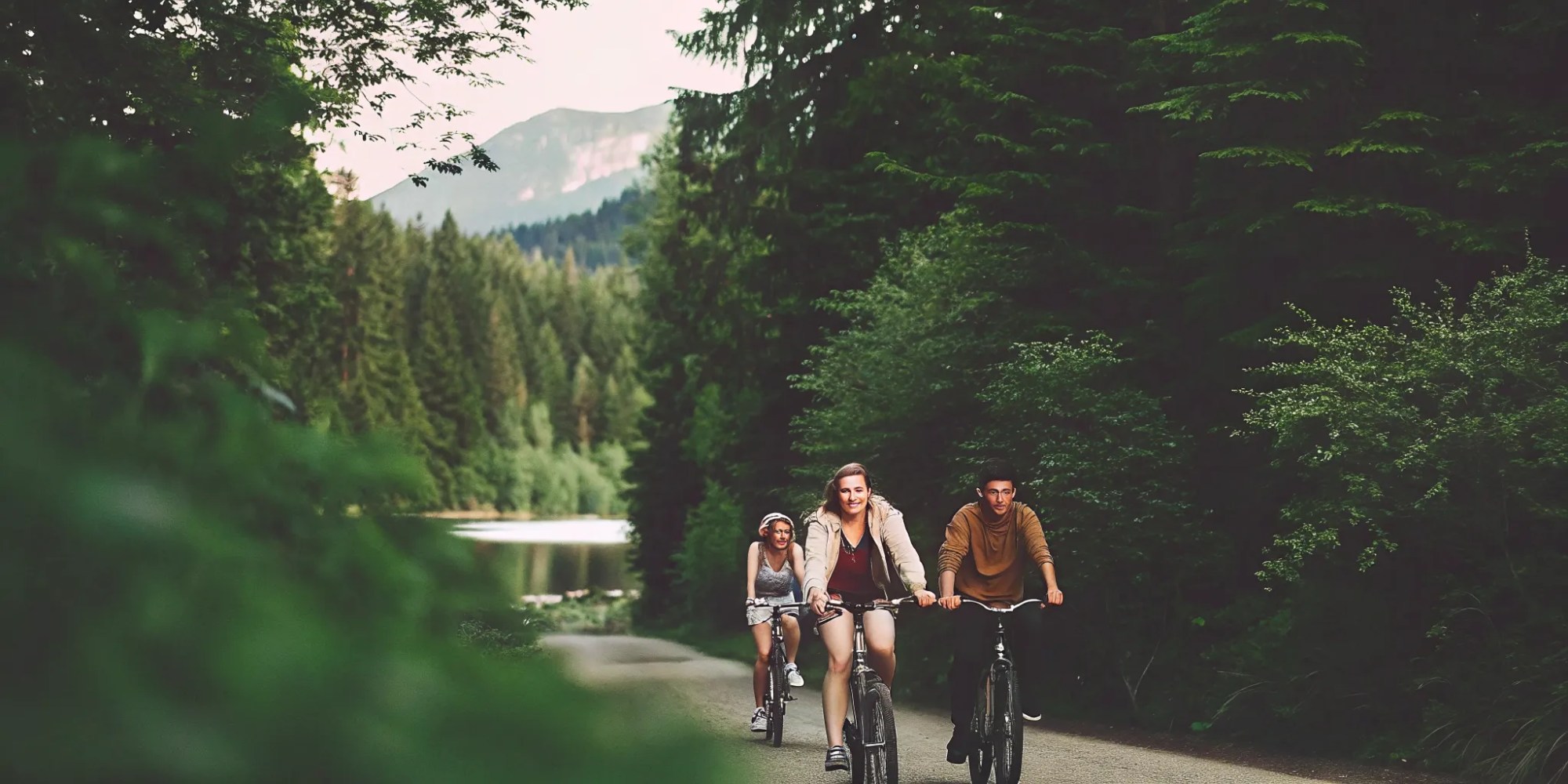
Planning a Whistler adventure for people with different energy levels can feel like a puzzle. One person wants an active day, another prefers frequent breaks, and someone else simply wants time to enjoy the view. The best accessible outdoor activities Whistler groups can choose are flexible, scenic, and easy to adjust without separating everyone.
Compare guided Whistler eBike tour options for your group.
Whistler’s valley offers several approachable ways to spend time outside together. A relaxed lake visit, a carefully chosen Valley Trail outing, scenic sightseeing, or a guided pedal-assist eBike tour can all work well for mixed-fitness groups. Accessibility and comfort are personal, however. Always confirm current surfaces, distances, equipment, and support directly with the activity provider before booking.
By the Whistler Electric Bike Tours team, local guides focused on memorable valley adventures.
What makes an outdoor activity approachable?
An approachable group activity is not necessarily effortless. It gives participants enough flexibility to manage pace, rest, and challenge without feeling that they are holding everyone back. That distinction matters for families, friends, and multigenerational groups whose members may have very different outdoor experience.
Start with the group’s shared goal
Ask what everyone hopes to get from the day. Some groups want to cover ground and see several places. Others care more about conversation, photography, wildlife habitat, or a relaxed stop beside a glacier-fed lake. Agreeing on the shared goal makes it easier to choose an outing that feels rewarding to everyone.
Discuss comfort honestly before booking. Useful questions include how long each person enjoys being active, whether hills affect their confidence, and how often the group wants to stop. These questions are more useful than simply asking whether everyone is fit. They help reveal the conditions that make an activity enjoyable.
Look for flexibility, not labels
The word accessible can describe many different needs. A route that feels comfortable for one person may not suit another. Instead of relying on a broad label, ask specific questions about surfaces, grades, seating, transfers, equipment, and assistance. Current conditions can also change with weather, maintenance, and seasonal operations.
A good mixed-fitness plan has natural pause points and an easy way to shorten the outing. It also leaves room in the schedule. When the day is not packed with commitments, the group can stop at a viewpoint, take photos, or enjoy a longer lakeside break without creating stress. Review the tour FAQ when comparing practical details.
Which accessible outdoor activities can Whistler groups compare?
There is no single best option for every group. The right choice depends on how much activity people want, what support they need, and which Whistler landscapes interest them most. Use this comparison as a starting point, then verify details with the provider.
| Activity. | Why groups like it. | What to confirm. | Effort. |
|---|---|---|---|
| Valley Trail outing. | Flexible route and scenic stops. | Surface, distance, and turnaround point. | Low to moderate. |
| Lake or park visit. | Time to relax and enjoy the view. | Parking, paths, seating, and facilities. | Low. |
| Scenic sightseeing. | Big views with less sustained activity. | Current access and loading details. | Varies. |
| Guided eBike tour. | Active sightseeing with pedal assist. | Rider fit, balance, route, and comfort. | Adjustable. |
| Adaptive program. | Specialized equipment or support. | Availability and individual requirements. | Varies. |
Relaxed walks and park visits
A short outdoor walk can be one of the easiest activities to tailor. Choose a modest distance, establish a turnaround time, and build in a scenic destination. A park or lakeside visit also gives people the option to move around or simply enjoy the setting. Confirm the current condition and suitability of paths before relying on them.
Guided experiences
A guide can simplify route planning and help a group maintain a comfortable pace. Guided experiences are especially useful for first-time visitors who want local context rather than just directions. Ask what the activity involves, how the pace is managed, and what options exist if someone becomes uncomfortable. The Whistler Electric Bike Tours homepage introduces the local valley experience.
Why do pedal-assist eBike tours suit mixed-fitness groups?
A pedal-assist eBike adds power while the rider pedals. That assistance can make it easier for people with different cycling fitness levels to ride together. It can also help a group explore more of Whistler’s valley while keeping the experience focused on scenery, conversation, and local stories rather than speed.
Pedal assist does not make cycling suitable for everyone. Riders still need to be comfortable operating and balancing a bicycle. Anyone with questions about their individual needs should speak directly with the tour provider before booking. A responsible provider can explain the bikes, route, and expected experience so each person can make an informed choice.

A shared pace with room to look around
On a guided valley ride, the group follows one route rather than splitting into faster and slower camps. The guide can set an approachable pace and create opportunities to pause. With less attention devoted to route-finding, riders can notice cedar stands, waterways, bird habitat, and mountain views.
Fat tire eBikes can feel steady and comfortable to many riders, while pedal assist helps with changes in terrain. Still, the most important factor is individual confidence. Before the tour begins, participants should ask questions and make sure they feel comfortable with the bicycle and controls.
Local context makes the ride memorable
A guided experience adds stories and observations that visitors might miss on their own. Whistler’s valley is more than a backdrop. It includes glacier-fed lakes, river corridors, wildlife habitat, cedar stands, and communities connected by outdoor routes. Learning about those places gives the group something to talk about long after the ride.
Explore the available guided Whistler eBike tours to understand the experience, then contact the team with any questions about rider comfort or group fit. Check where to find the tour team while organizing the day.
Scenic experiences that keep everyone together
Mixed-fitness groups often enjoy an outing most when it includes a clear scenic reward. A lake, park, river, forest, or mountain viewpoint gives the day a purpose without turning it into a test of endurance. Whistler’s valley offers many landscapes that can inspire a flexible itinerary.
Build the day around one meaningful highlight
Rather than trying to see everything, choose one main experience. It might be time near Rainbow Park, views of a glacier-fed lake, a ride through cedar stands, or a route near the River of Golden Dreams. A focused plan gives the group time to pause and enjoy the setting.
Wildlife habitat can add interest, but sightings are never guaranteed. Treat the landscape itself as the attraction. Quiet observation, respectful distance, and attention to the guide’s instructions help keep the outing nature-forward without placing pressure on the group to see a particular animal.
Add optional moments, not mandatory miles
Optional stops make a group plan more adaptable. People who want extra movement can take a short stroll while others rest. Photography and interpretation stops also let everyone participate without requiring the same physical effort. The goal is a shared experience, even when individuals engage with it differently.
Keep the schedule light after the main activity. A relaxed meal or open afternoon leaves room for the group to adjust based on energy and weather. That flexibility often makes the difference between a day people endure and one they genuinely remember.
How can you plan a comfortable outdoor day?
A little advance planning helps prevent avoidable surprises. Use these steps whether you choose an eBike tour, park outing, scenic attraction, or adaptive recreation program.
- Discuss comfort and expectations. Ask each person what makes an outdoor outing enjoyable and what conditions create concern.
- Choose one main experience. Build the day around a shared priority instead of creating an ambitious checklist.
- Ask the provider specific questions. Confirm duration, terrain, surfaces, equipment, rest opportunities, and what participants need to do independently.
- Check current conditions. Weather, trail work, and seasonal operations can change an otherwise solid plan.
- Prepare simple essentials. Bring appropriate layers, water, sun protection, and anything else the provider recommends.
- Agree on the group’s pace. Make it clear that speaking up and taking a pause are part of the plan.
Ask detailed questions before booking
Good questions lead to useful answers. Instead of asking only whether an activity is accessible, explain what your group needs. Ask about balance requirements, path surfaces, transfers, seating, washrooms, assistance, and options for shortening the activity. Providers can then respond with relevant information rather than assumptions.
For common questions about guided rides, review the Whistler Electric Bike Tours frequently asked questions. Browse the Whistler eBike blog for more local trip-planning ideas, then contact the team directly when you need details about your group’s specific situation.
Make flexibility part of the itinerary
Give the group permission to change the plan. If conditions or energy levels are different than expected, shorten the activity or choose a quieter alternative. A successful day is one that people enjoy together, not one that follows the original schedule at all costs.
Build a simple backup plan before setting out. Decide which part of the activity matters most, identify a nearby place to rest, and leave enough time to adjust without rushing. Groups often feel more confident when everyone knows that changing course is acceptable. That shared understanding encourages people to speak up early, keeps small concerns from becoming major frustrations, and protects the relaxed spirit of the outing.
It also helps to separate individual comfort from group expectations. Someone may enjoy a shorter ride, a slower start, or an extra pause without needing the entire day cancelled. A flexible schedule makes those adjustments easier. Confirm meeting details, current conditions, and provider recommendations shortly before the outing so the group begins with the same information.
When should a group seek adaptive recreation support?
Some visitors need specialized equipment, instruction, or assistance that a general sightseeing provider does not offer. In that case, an adaptive recreation organization may be the best place to start. These organizations can discuss individual requirements and explain the programs or resources currently available.
Be specific about individual needs
Share the information needed for a provider to assess fit. That may include mobility needs, transfer considerations, equipment requirements, previous experience, or the type of assistance a participant uses. Clear details allow the organization to explain what it can and cannot support.
Do not assume that a general tour or public route will meet every need. Likewise, do not assume someone cannot participate. A direct conversation with the appropriate provider is the best way to make an informed and respectful decision.
Confirm details close to the outing
Access details and program availability can change. Confirm the arrangements before the activity and ask whether weather or maintenance affects the plan. If specialized support is essential, identify a backup option as well. This keeps the group prepared without making the day feel rigid.
Frequently asked questions
What are good outdoor activities for mixed-fitness groups in Whistler?
Approachable options include a flexible Valley Trail outing, a lake or park visit, scenic sightseeing, a guided pedal-assist eBike tour, or an adaptive recreation program. The best choice depends on individual comfort, desired activity level, and current conditions.
Are eBike tours suitable for every ability level?
No activity is suitable for everyone. Pedal assist can reduce the effort needed to cycle, but riders still need to be comfortable balancing and operating a bicycle. Contact the tour provider before booking to discuss the route, bikes, and your group’s needs.
How can a group avoid leaving slower participants behind?
Choose a flexible activity, agree on a shared pace, and treat rest stops as part of the experience. A guided outing can also help by keeping the group on one route and setting a comfortable pace.
What should we ask an activity provider?
Ask about duration, terrain, surfaces, equipment, balance or mobility requirements, rest opportunities, facilities, assistance, and options for changing or shortening the activity. Specific questions help the provider give useful answers.
Book a scenic Whistler experience together
The right Whistler outing lets your group enjoy the valley together without turning the day into a fitness contest. If a guided pedal-assist ride sounds like a good fit, review the tour options and speak with the local team about your group’s comfort and questions.
Book your guided Whistler eBike valley tour
Start planning a memorable day outdoors.